The headline numbers
Global electricity consumption is projected to rise from 28,600 terawatt hours in 2025 to 30,700 TWh by 2027. Demand growth accelerates from 3 per cent in 2025 to 3.6 per cent in 2026 and 3.8 per cent in 2027. The IEA calls this the Age of Electricity: power demand is growing at least 2.5 times as fast as overall energy demand through 2030.
The drivers are structural, not cyclical - industrial electrification, growing appliance ownership, EV charging, more air conditioning and expanding data-centre capacity. Advanced economies are contributing a fifth of the increase after 15 years of flat demand, and China, India and the United States remain the biggest single-country engines.
Renewables overtake coal - the shift, explained
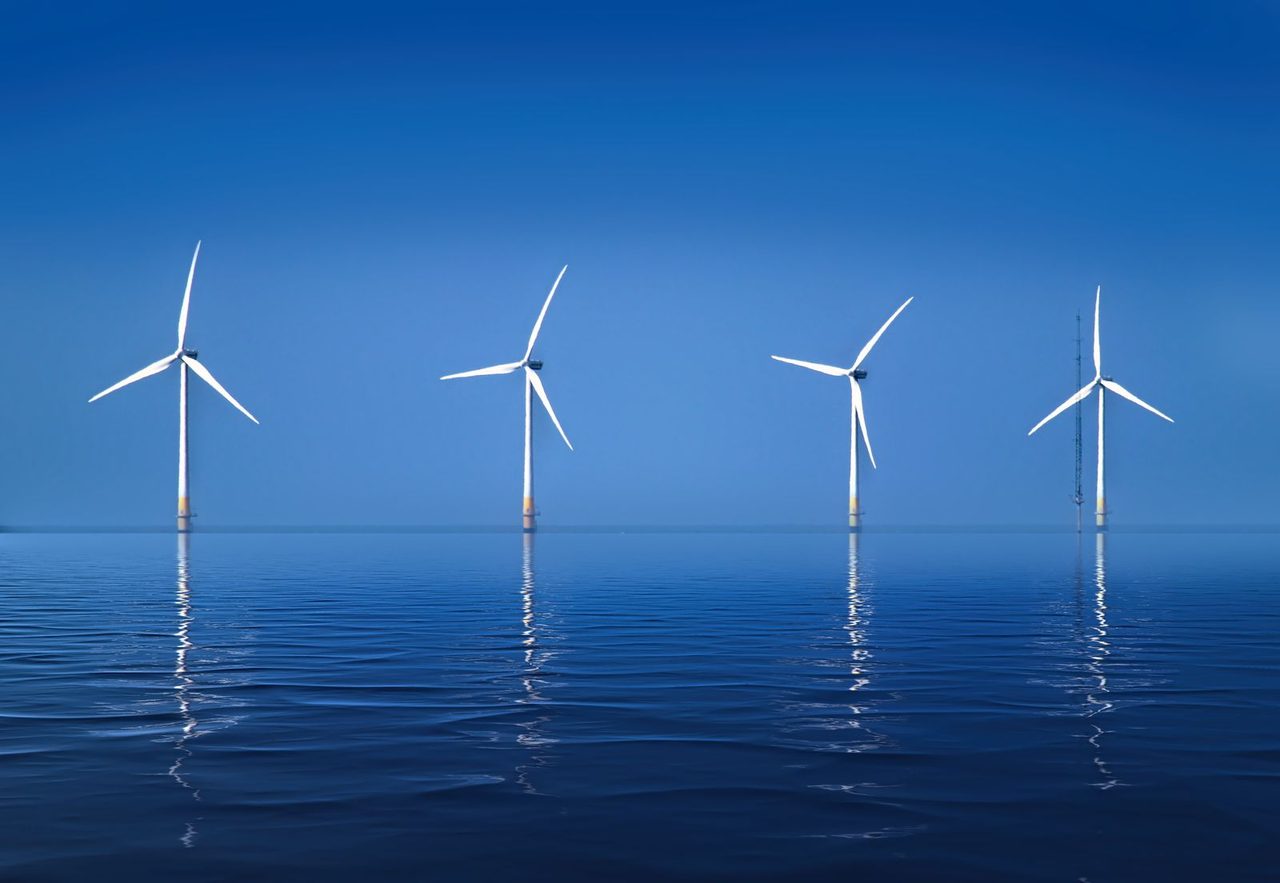
Renewable generation is set to grow more than 8 per cent in 2026, pushing its share of global electricity from 33 per cent in 2025 to 37 per cent by 2027, and crossing coal this year after reaching near parity in 2025. Solar PV is the workhorse: generation is forecast to grow by around 600 TWh in 2026, matching the record expansion of 2025, and solar is expected to surpass wind as the world's second-largest renewable source after hydropower.
Coal-fired generation loses ground globally, returning to 2021 levels by the end of the decade, while natural gas output keeps growing - supported by US electricity demand and the Middle East shift from oil to gas for power. The IEA projects renewables and nuclear together generating 50 per cent of global electricity by 2030, up from 42 per cent today, and global CO2 emissions from electricity generation staying roughly flat through the decade.
The Middle East shock and the gas price spike
The update is candid about the shock behind the numbers: the temporary loss of nearly 20 per cent of global LNG supply after the Strait of Hormuz disruption pushed natural gas prices in Asia and Europe to their highest levels since the 2022-23 crisis. Major economies have so far adapted, thanks to new North American liquefaction and higher output from other exporters.
The response has been fuel switching - several Asian and European countries shifted some gas generation to coal - while renewable expansion diversified supply and limited the damage. Price-sensitive importers such as Bangladesh and Pakistan introduced conservation measures that cut their electricity consumption, a reminder that the same shock lands very differently across economies.
Where demand is growing
China's demand growth accelerates to 5.5 per cent in 2026, supported by manufacturing and EV charging. India rebounds to 7 per cent after a weak 1.6 per cent in 2025, when an early monsoon cut cooling demand; Indian solar and wind generation rose more than 25 per cent in the first half of 2026. The United States grows close to 2 per cent, led by data centres, air conditioning and industry, and the EU strengthens to 2 per cent on electrification plus colder and hotter extremes.
The IEA also warns on weather: a stronger-than-expected El Nino would push cooling demand up while weakening hydro and wind output, particularly in Latin America and Southeast Asia - the main downside risk to the forecast.
The grid bottleneck
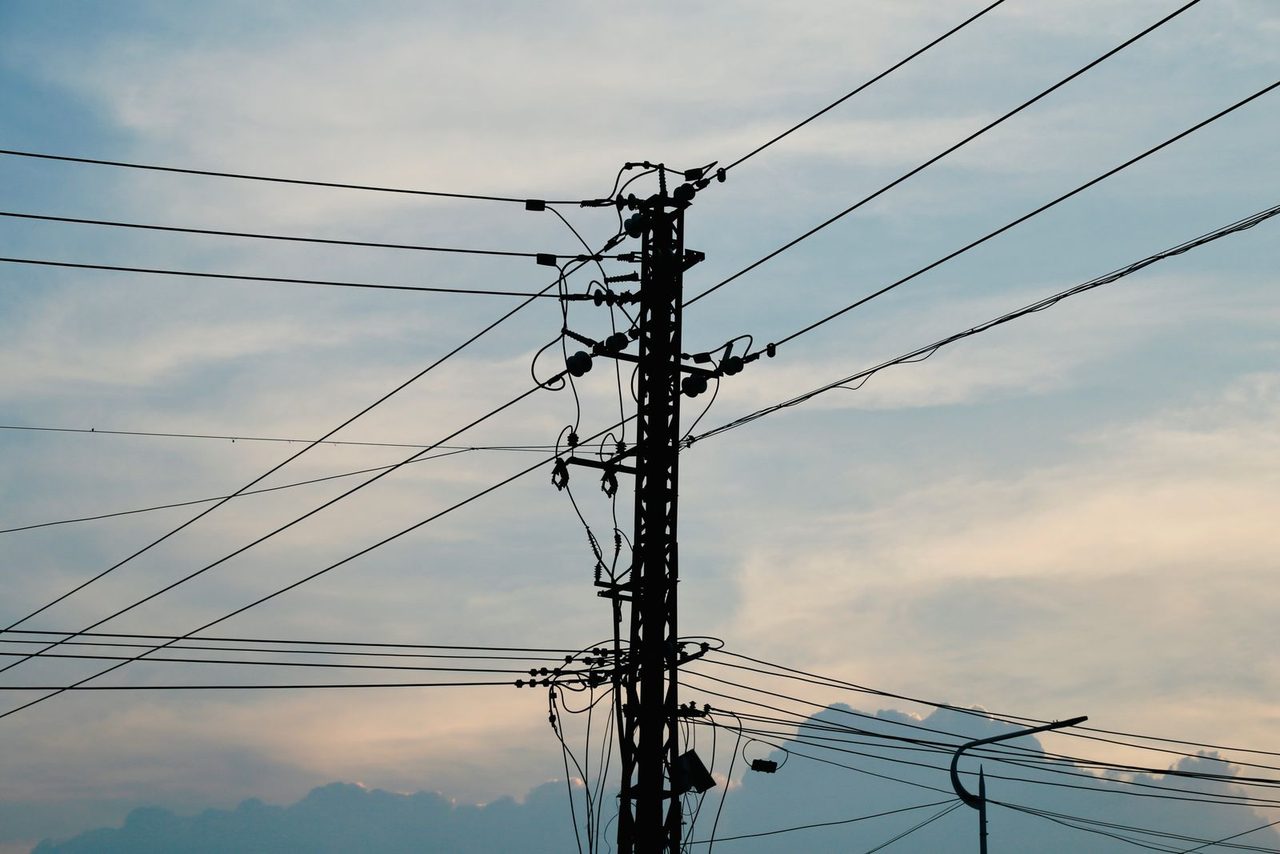
The report's sharpest warning is about delivery. More than 2,500 GW of projects - renewables, storage and large loads such as data centres - are stalled in connection queues worldwide. The IEA estimates that grid-enhancing technologies and regulatory reform could integrate up to 1,600 GW of queued capacity in the near term, and that annual grid investment needs to rise 50 per cent by 2030.
For anyone tracking the energy transition, this is the number to watch: the generation is being built, but the wires are the constraint. Utility-scale battery storage is growing sharply in California, Germany, Texas, South Australia and the UK, providing short-term flexibility, but the IEA is clear that queues, permitting and grid modernisation - not solar or wind costs - now decide how fast the transition actually happens.