Disaster & Resilience · Luminesca News
Reporting and analysis on disasters, climate risk and resilience.
What we cover in Disaster
Disaster and resilience coverage on Luminesca looks at the systems that keep people safe, not the drama of the emergency itself. The threads we follow are the ones that repeat every year and reward long-term attention: wildfire smoke crossing borders and eroding decades of clean-air gains, Atlantic hurricane seasons that shift from forecast to impact in a matter of days, urban heatwaves that turn city design into a survival question, wildfire home hardening and the building science that decides which houses survive, and earthquake early-warning networks where a few seconds of notification is the difference between a scare and a catastrophe.
Each piece here leans on published forecasts, agency data and peer-reviewed findings, with a links block at the end of every article so you can check the primary source yourself. The goal is practical: what the evidence says, what has changed since last season, and what households and city governments can actually do about it.
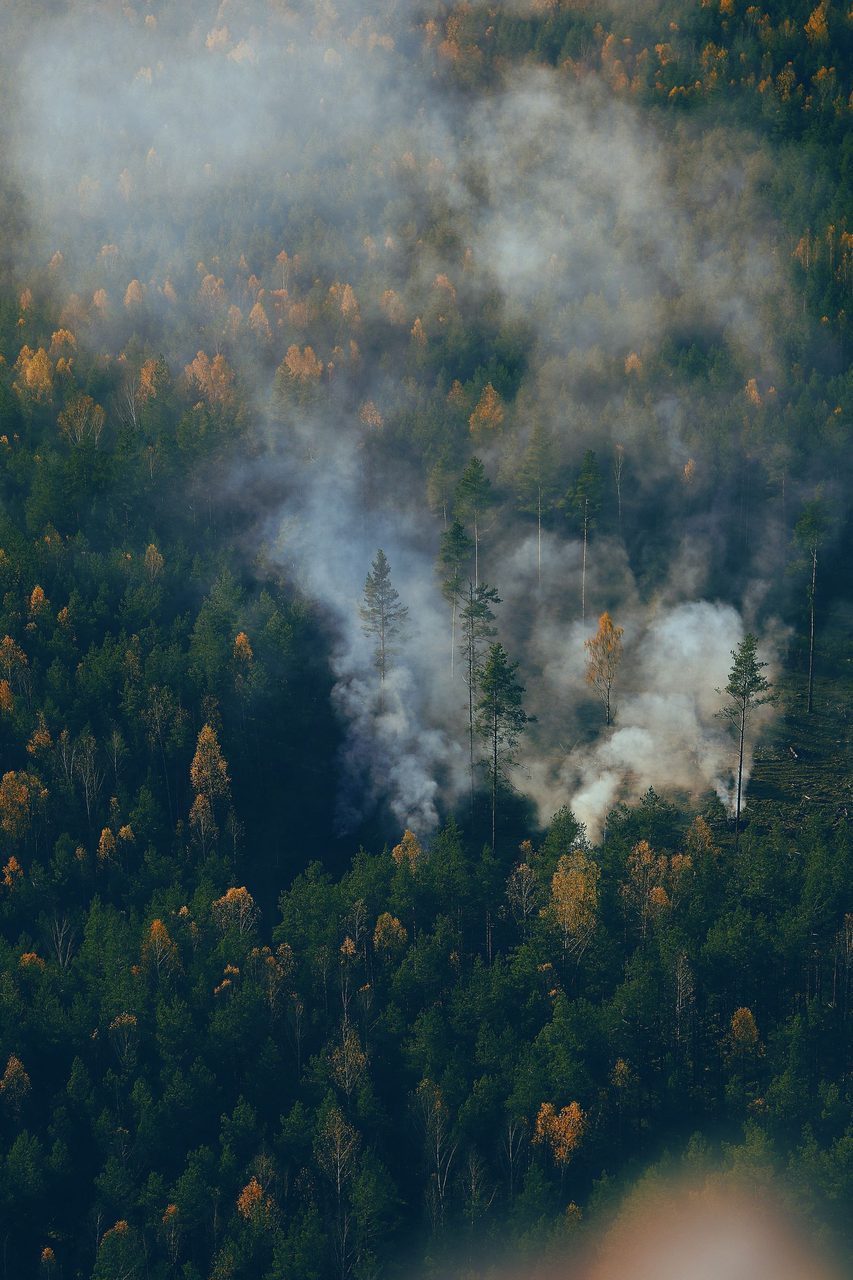
Why Some Houses Survive a Wildfire and Others Don't — the Science of Home Hardening
Embers, not flames, destroy most homes in a wildfire. The evidence from the 2018 Camp Fire and the 2025 Los Angeles fires shows which construction and landscaping choices actually change the odds.
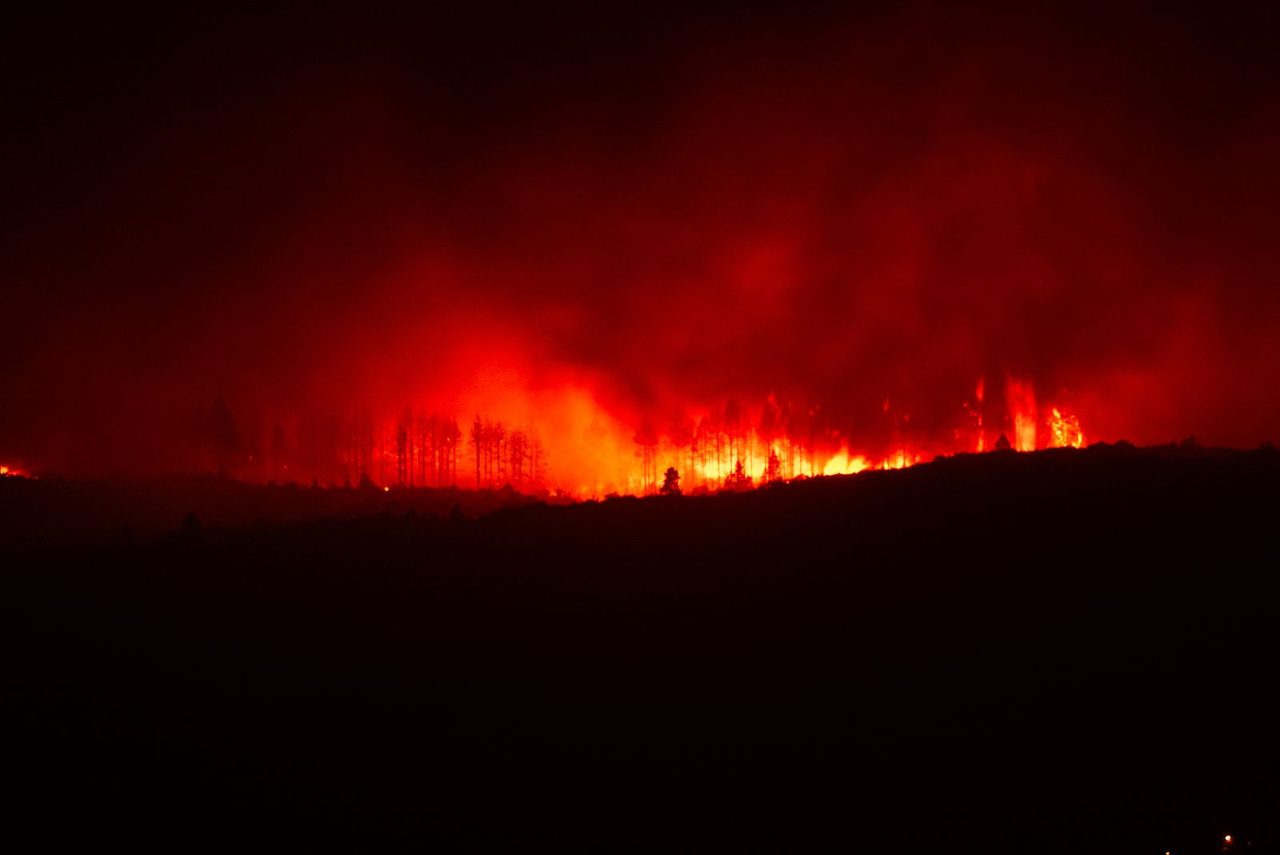
Why Wildfire Smoke Is Erasing Decades of Clean-Air Progress — and What Communities Can Actually Do — Analysis
American air got dramatically cleaner for fifty years, and since about 2016 wildfire smoke has been quietly undoing that progress across most of the country. This explainer covers why smoke PM2.5 is uniquely harmful, why it sits in a regulatory blind spot, and which interventions actually reduce exposure.
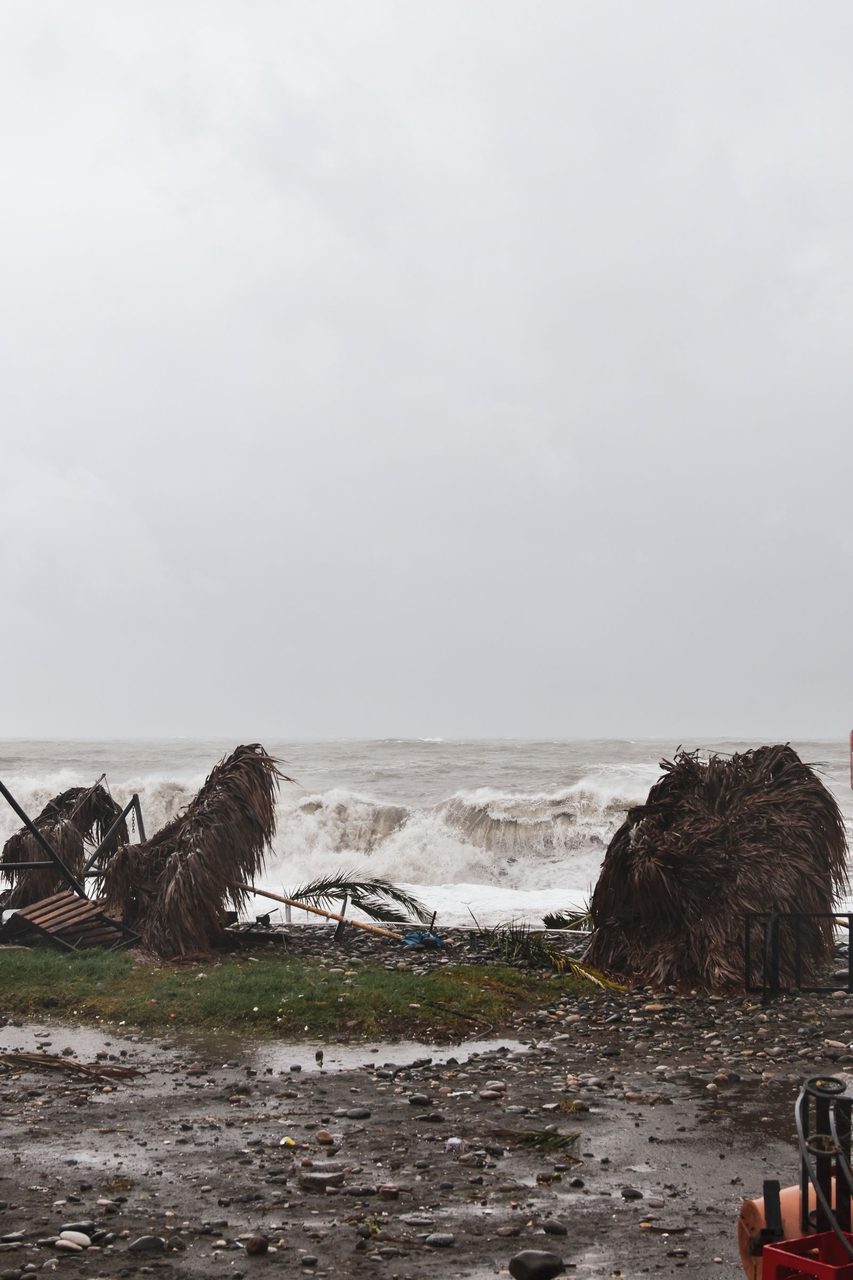
The 2026 Atlantic Hurricane Season: Forecasts, Risks and How to Prepare
Meteorologists are forecasting another above-normal Atlantic hurricane season for 2026. This explainer covers the outlook, why seasons are intensifying and the practical preparation checklist.
Urban Heatwaves in 2026: Why Cities Are Hotter and Deadlier
Extreme heat is the deadliest weather hazard, and cities make it worse. This explainer looks at the urban heat island effect, the 2026 heatwave season and what cities are doing to cool down.
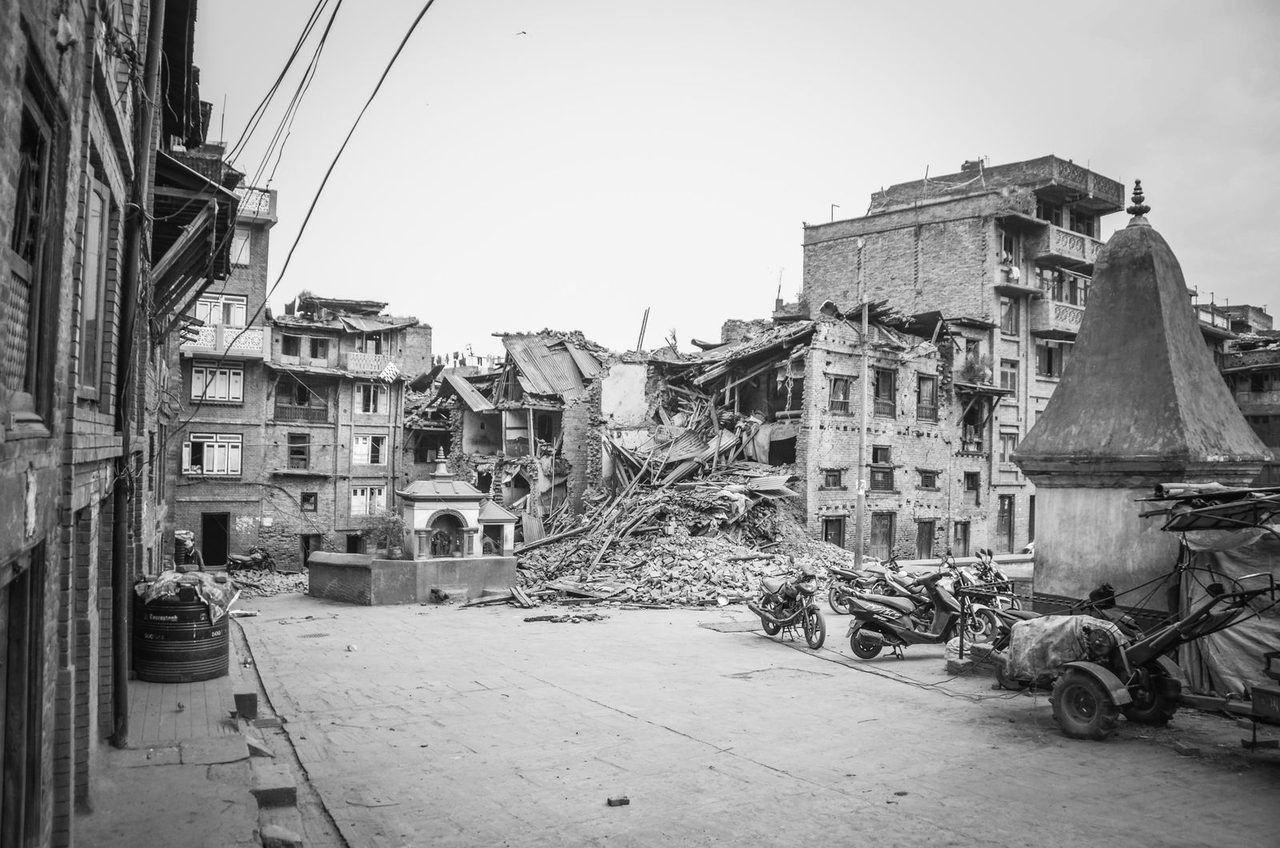
Earthquake Early Warning in 2026: The Seconds That Save Lives
Earthquake early-warning systems are expanding across the world in 2026, giving people seconds to take cover. This explainer covers how the systems work, who has them and why the difference between success and failure is preparation.