What a connection queue is
Before a wind farm, solar plant, battery or data centre can plug into the network, it needs a connection agreement from the grid operator. The operator must study the impact on the network, plan reinforcements, and often wait for them to be built. The queue is the waiting line for those studies and agreements, and in many regions it has become the binding constraint on new capacity.
Queues are measured in gigawatts because they have grown that large. The IEA counts 2,500 GW of projects - renewables, storage and large loads - waiting worldwide. In several markets the queue is now larger than the entire existing fleet, which means most projects that apply will never connect, and the ones that do will wait years.
Why queues jam
The root cause is a mismatch between process and reality. Most queues were designed when a handful of large plants applied each year; today they receive speculative applications - projects without financing, permits or firm intent - because in some markets being in the queue is valuable in itself. Grid operators must study each application, and speculative projects consume the scarce study capacity.
Compounding the problem, network reinforcement itself is slow: permitting for new transmission lines can take a decade, and interconnection studies often assume worst-case dispatch that overstates the reinforcements needed. The result is a self-reinforcing jam - long queues encourage speculative applications, and speculative applications make queues longer.
The fix: grid-enhancing technologies
Grid-enhancing technologies (GET) are a family of tools that get more out of existing wires without building new ones. Dynamic line ratings let operators use the real, weather-dependent capacity of a line instead of a static worst-case figure. Power-flow control devices push electricity onto underused parallel paths. Advanced conductors and topology optimisation squeeze additional capacity from the existing network.
The IEA estimates these tools, combined with regulatory reform, could integrate up to 1,600 GW of queued projects in the near term. The economics are striking: GET projects are typically small, fast and low-risk compared with new transmission, and they can be deployed in months rather than a decade.
The regulatory half of the fix
Technology alone is not enough; the rules have to change. Key reforms include: first-ready-first-served or 'connect and manage' queue models that reward project maturity instead of application timing; automatic approval if a study window is missed; and consolidated interconnection studies that cluster projects by region instead of studying each one from scratch.
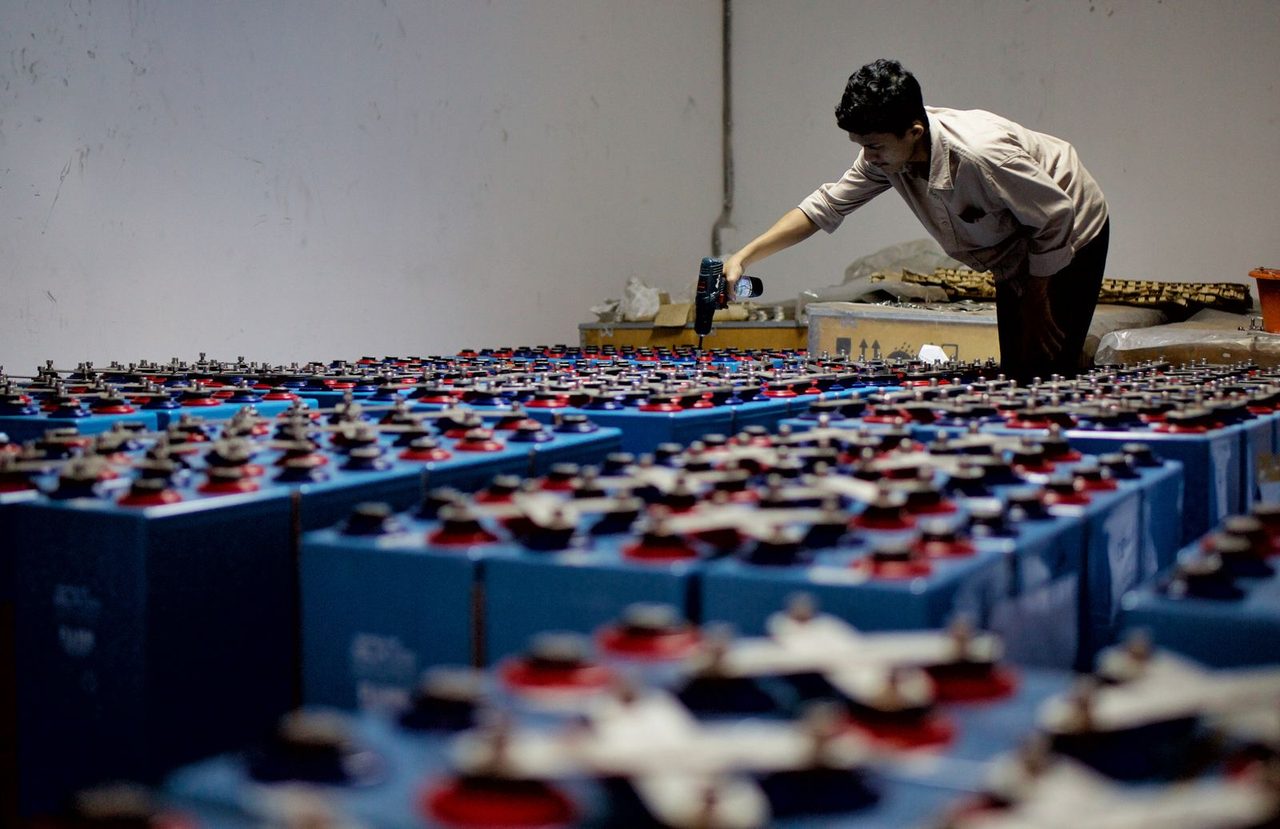
Several markets are already moving. The report points to regulatory changes that allow more flexible connections and usage as a central part of the solution, alongside the rapid expansion of utility-scale battery storage in California, Germany, Texas, South Australia and the UK, which provides short-term flexibility while transmission catches up.
What it means for developers and bills
For project developers, queue reform is the difference between a five-year and a two-year path to revenue, and it changes where the smart money goes - projects in reformed markets clear faster and carry less risk. For ratepayers, the payoff is lower system costs: less curtailment, less need for expensive peak generation, and faster access to the cheapest new generation.
The bigger picture is the one the IEA keeps stressing: the generation is being built, and the wires are now the transition. Tracking queue reform - which markets adopt first-ready-first-served, which approve GET deployment at scale - is a reliable way to predict which energy markets accelerate over the next five years.