2FA Is Not Enough: The Modern Account Security Stack in 2026
By Luminesca · Updated 2026-09-08 Analysis compiled from public reporting with AI-assisted drafting. See our editorial policy.
📅 Aug 3, 2026🏷️ Privacy / Security🛡️ The layered defences that survive real-world attacks
🛡️
Two-factor authentication was the security advice for a decade - and it is still good, but it is no longer sufficient on its own. Session theft, prompt-bombing and recovery-account attacks have all found ways around 2FA. The modern account security stack layers 2FA with passkeys, recovery hygiene and monitoring. This is what that stack looks like.
Why 2FA alone fails now. Attackers no longer need your password and code. If they steal an active session cookie, they are in without touching 2FA. If they can reset your password through your email, your 2FA never matters. And social-engineering attacks can trick people into approving a real login notification. 2FA is a strong wall, but walls have doors.
Passkeys are the upgrade. Passkeys replace passwords with device-bound cryptographic keys: nothing to leak, nothing to phish, nothing to type. Adoption across major platforms is now broad enough that passkeys are the default recommendation for new accounts and the strongest practical upgrade for existing ones.
Hardware keys for what matters. For the accounts that can unlock everything else - your primary email, password manager, cloud storage - a hardware security key is the gold standard. It cannot be phished, and it physically requires your device. The cost is small relative to the protection.
Recovery hygiene decides who wins. Most account takeovers succeed through recovery, not the login itself. If your recovery email or phone can be compromised, every other control is bypassable. The stack requires: a recovery email with its own strong protection, recovery codes stored offline, and no shared or abandoned recovery paths.
Monitoring catches the damage early. Enable login alerts, review active sessions, and check the security dashboard monthly. Breach-notification services tell you when your credentials appear in a leak. Detection does not prevent the first attack, but it turns a catastrophic breach into a contained one.
The full stack, in order of impact: a password manager with unique passwords (see our), passkeys or a hardware key on critical accounts, disciplined recovery hygiene, and monitoring. 2FA still belongs in the stack - but as one layer among several, not the whole defence.
Visual Highlights
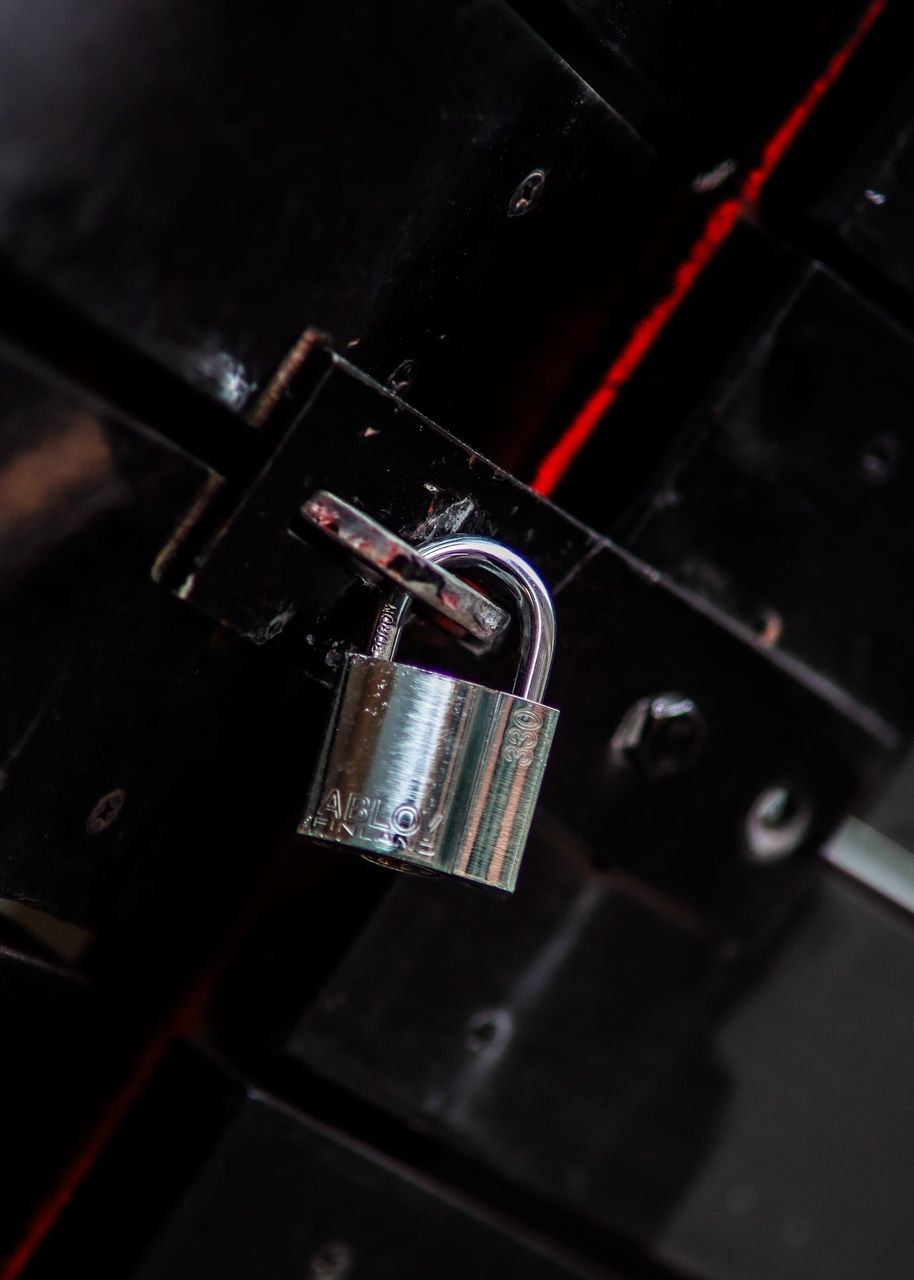
A padlock - the modern account security stack layers several defences rather than relying on one.
Passkey migration is a per-account project.
Triage accounts by blast radius, not by convenience. The passkey rollout that works is sequential: email account first (it resets everything else), then banking and money, then cloud storage and identity-linked services, then the long tail. Each migration is five minutes - open security settings, add a passkey, confirm the old 2FA method stays as fallback - but doing all accounts in one sitting invites mistakes. Keep a simple list of what is migrated and what still relies on SMS, because SMS-backed accounts are the ones attackers target with SIM-swap, and knowing which they are tells you where to spend the next weekend.
Understand what passkeys do and do not fix. A passkey binds login to a device you control, which kills phishing and credential stuffing outright - there is no password to steal. What it does not fix is device theft (keep device lock screens serious) and account recovery, which remains the weakest door in every system. The account is only as strong as its recovery path: recovery codes printed and stored, a secondary email that is itself passkey-protected, and no recovery route that depends on a phone number alone.
Session hygiene closes the gap 2FA cannot.
Attackers increasingly skip login entirely. The modern takeover pattern is session theft: steal an authenticated cookie from a compromised browser, a malicious extension or an infostealer, and the attacker inherits a logged-in session where 2FA never fires. Your countermeasures are mundane but effective - log out of services you do not use weekly, review active sessions and devices in account settings quarterly, and revoke app tokens you do not recognise. Browsers and services increasingly offer session binding and passkey-gated re-authentication for sensitive actions; enable both where offered.
Monitoring converts breaches into incidents. The accounts that survive are the ones where strange activity is noticed fast. Turn on login alerts for every important account, use an email alias or breach-notification service to learn about leaks early, and treat an unfamiliar-session email as an emergency worth same-day attention - one password reset beats a week of untangling. The security stack that works in 2026 is layered: passkeys at the door, session hygiene inside, monitoring watching the walls.
Frequently Asked Questions
If 2FA is not enough, should I turn it off?
No - keep it. 2FA still blocks the most common attacks. The point is to add the other layers: passkeys or hardware keys on critical accounts, secure recovery, and monitoring. 2FA remains valuable; it is just no longer the complete answer.
What is a passkey and how is it better than a password?
A passkey is a cryptographic key stored on your device, used to sign in without a password. There is nothing to leak or phish, and it is tied to your device. Passkeys are the strongest widely available upgrade over passwords and are supported by the major platforms.
Are passkeys supported everywhere now?
Most major consumer services - email, banking, social, cloud storage - support passkeys in 2026, with adoption still uneven among smaller services and enterprise tools. Keep traditional 2FA enabled as fallback on accounts without passkeys. Check each important account's security settings; the migration is worth the five minutes per account.
What if I lose my hardware key?
Register at least two hardware keys and store them separately - one on your keychain, one in a drawer. Without a second key or recovery codes, account recovery depends entirely on the provider's process, which can take days. The same rule applies to passkey-only accounts: ensure a second device (or platform sync) can authenticate before retiring the fallback method.