Trade Diplomacy in 2026: Minilateral Deals Replace the Big Trade Rounds
By Luminesca · Updated 2026-09-08 Analysis compiled from public reporting with AI-assisted drafting. See our editorial policy.
📅 Aug 3, 2026🏷️ Trade / Diplomacy🚢 Trade policy is getting smaller, faster and more fragmented
🚢
Trade diplomacy in 2026 is no longer about the big global rounds. With the World Trade Organization’s broad negotiating agenda stalled, countries are turning to minilateral deals - smaller agreements among a handful of like-minded partners that move fast and go deep on specific issues.
The shift is visible in the data. The number of new regional trade agreements signed each year has grown steadily, while the number of major global negotiating rounds has fallen to zero. Countries that used to wait for a once-in-a-generation global deal now negotiate among themselves - and they do it in months, not decades.
The new agreements are different in kind. They are narrower in membership and deeper in coverage: digital-trade rules, supply-chain resilience, critical minerals, data flows. The digital-trade chapters matter most - they set rules for cross-border data, e-commerce and tech standards that shape how the global economy actually runs in 2026.
Why the shift? Speed is one answer: small groups agree faster than 160 countries. Trust is another: governments are more willing to make binding commitments with partners they can hold accountable. And the subject matter changed - the frontier issues of 2026, like digital trade and critical minerals, are easier to negotiate among a few like-minded governments than in a universal forum.
The cost of the shift is fragmentation. A patchwork of different rules across regions raises costs for global companies, which must comply with multiple standards. And the countries left out of the new deals - often smaller economies - lose access to the benefits of deeper integration. Trade diplomacy in the minilateral era is more agile but also more unequal.
The critical-minerals deals are the clearest example. Concerned about supply-chain concentration, several groups of countries have signed agreements to cooperate on mining, refining and stockpiling the minerals needed for batteries and electronics. These deals are as much about security as trade, and they are being written faster than the markets they regulate can adapt.
For businesses, the practical implication is that trade strategy now means tracking a web of small agreements rather than waiting for one big one. Compliance teams, tariff engineers and supply-chain planners all work with more, smaller rulebooks. The era of one world, one set of rules is over - and the era of knowing your own patchwork has begun.
Visual Highlights
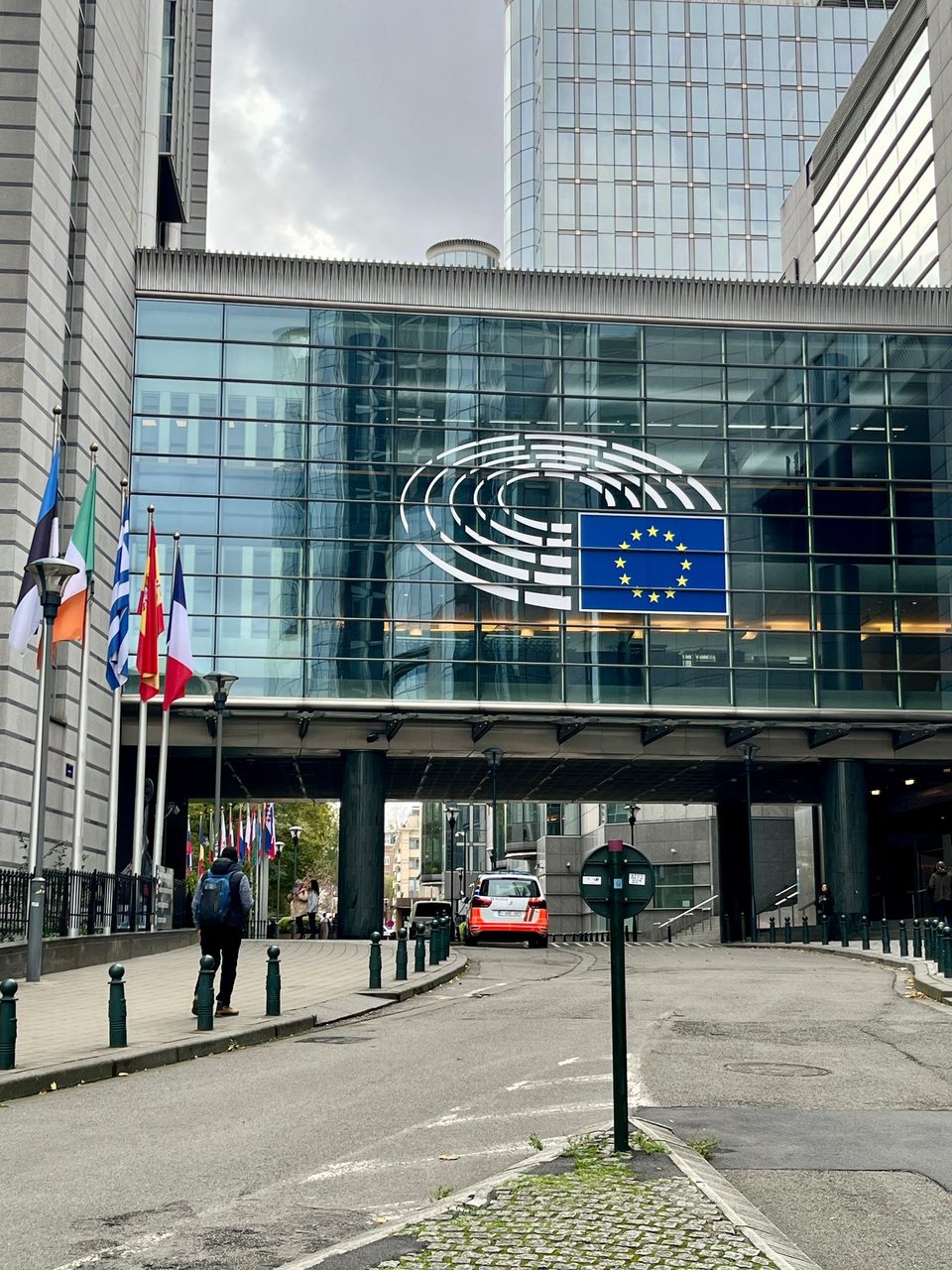
Flags on flagpoles outside a government building - the backdrop of modern trade diplomacy.
The practical consequence for exporters is administrative. Every new agreement brings its own rules of origin, tariff schedules and compliance paperwork, and the smaller the agreement, the more likely a business will need to understand several of them at once. Trade compliance has become a specialist function in companies that operate across multiple regional regimes - a cost that the old single-rulebook world did not impose.
The same logic applies to the content businesses publish about their trade and compliance activities. Clear, consistent naming helps stakeholders find and understand the documentation. A is a small but useful example of turning a title into something clean and consistent - the kind of discipline that makes a patchwork of rules and documents navigable, one small piece at a time.
The WTO is not dead - it changed jobs.
The forum's role shrank from legislator to referee. The negotiating function that once produced global rounds has been stalled for years, but the organisation's day job - monitoring trade policies, holding the dispute record, providing the statistical commons everyone argues with - continues and matters more than headlines suggest. The minilateral era runs on top of that baseline: the sectoral deals and regional blocs of 2026 still cite WTO classifications, still use its rules as the default text, and still route their worst disputes toward its processes when bilateral channels fail. The accurate description is not collapse; it is a rules warehouse with a negotiating arm in the shop for repairs.
The patchwork has real costs, and firms are pricing them. A world of overlapping blocs multiplies rules of origin, compliance regimes and licensing requirements - each individually manageable, collectively a tax on trade that lands hardest on smaller firms without trade-law departments. The visible adaptation: companies regionalising supply chains to fit inside one bloc's perimeter, product lines redesigned to qualify under specific agreements' origin rules, and compliance teams growing faster than sales teams. Trade volumes keep growing, but the composition is shifting - more trade inside blocs, less between them - and that composition, not the volume, is the number that describes the era.
Frequently Asked Questions
Why did global trade negotiations stall?
The WTO’s consensus-based system makes it hard to agree when 160+ countries must approve, and the big issues - agriculture, industrial subsidies - have resisted compromise for decades. Countries responded by negotiating smaller agreements among willing partners.
What are the most important new trade issues in 2026?
Digital trade (cross-border data, e-commerce), supply-chain resilience, and critical minerals are the frontier issues. Most new agreements are built around one or more of these, rather than the traditional focus on goods tariffs.
What is a minilateral trade deal?
An agreement among a small group of countries, usually on a specific sector or issue - critical minerals, digital trade, green steel - rather than the comprehensive membership-wide bargains the WTO process pursued. They trade inclusiveness for speed: fewer parties, narrower scope, faster agreement. Critics worry about fragmenting rules; supporters point out that narrow deals are often stepping stones that wider processes later absorb.