OPEC+ in 2026: The Production Calls That Are Moving Oil Markets
By Luminesca · Updated 2026-09-08 Analysis compiled from public reporting with AI-assisted drafting. See our editorial policy.
📅 Aug 3, 2026🏷️ Oil / OPEC🛢️ The cartel that still shapes the oil price
🛢️
OPEC+ - the alliance of oil producers led by Saudi Arabia and Russia - remains the single biggest swing factor in global oil markets in 2026. Its production decisions, telegraphed through monthly meetings, continue to set the tone for prices, inflation and energy policy worldwide.
The mechanism is straightforward. OPEC+ members agree production quotas, and the group adjusts them at regular meetings to influence the balance of supply and demand. In 2026, with prices volatile and demand growth uncertain, those adjustments are being watched more closely than almost any other economic signal - every barrel of quota matters to markets.
The current strategy is a balancing act. The group has been gradually returning barrels that were cut during earlier market weakness, but it is doing so cautiously - releasing small amounts to avoid crashing prices while signalling that it will not flood a fragile market. The result is a tight market where prices stay high enough to satisfy producers but not so high as to crush demand.
Internal tensions are the drama beneath the surface. Members with different production capacity and fiscal needs want different things: some push for more output and higher revenue, others want to defend prices against rising non-OPEC supply, especially from the United States. Managing those divergent interests - and enforcing quotas on members that quietly exceed them - is the group’s permanent challenge.
The demand side is getting harder to read. Electric vehicles are eating into gasoline demand growth, and China - the largest importer - is transitioning from construction-driven demand to a more mature, service-led economy. The forecasts for oil demand growth in 2026 are lower than the pre-transition trend, which is one reason the group is cautious about adding supply.
The price consequences matter beyond energy. Oil is the world’s most traded commodity, and its price feeds directly into inflation, central-bank policy and the politics of every oil-importing country. When OPEC+ surprises markets - cutting more than expected or adding more than expected - the ripple effects are felt in currencies, equities and elections.
What to watch next: the monthly production meetings, compliance among members, and the tug of war between defending prices and defending market share against US shale and other producers. The group’s central dilemma in 2026 is unchanged: keep prices high enough to fund member budgets, low enough to keep buyers from accelerating the shift away from oil - and do it all with a coalition that is increasingly hard to hold together.
Visual Highlights
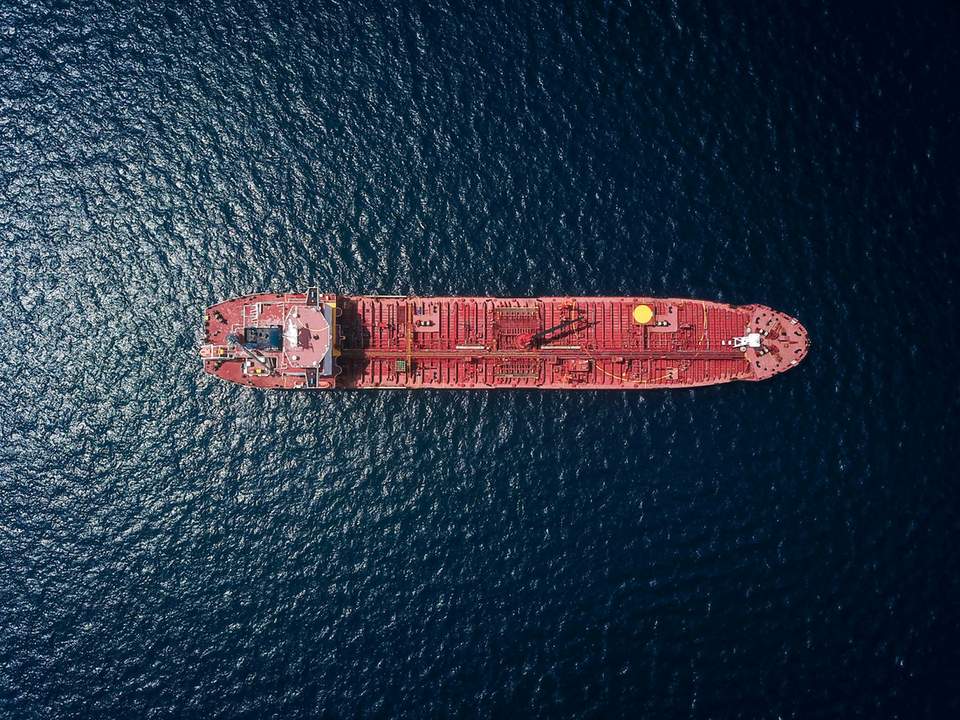
An oil tanker at sea - the crude that OPEC+ production policy decides the price of.
The forecasting challenge is genuinely hard. Oil demand depends on economic growth, EV adoption, aviation recovery and policy choices, and each of those inputs carries its own uncertainty. The agencies that publish demand forecasts - the IEA, OPEC itself, and the big banks - frequently disagree by more than a million barrels a day, which is more than enough to move prices. The market trades as much on which forecast it believes as on the underlying balance.
For analysts and anyone following the market, the volume units are a constant companion - barrels, tonnes, million barrels per day, litres. A makes comparing production numbers across different reporting conventions straightforward. In a market where a single million-barrel swing moves prices by dollars, getting the units right is not pedantry; it is the job.
The spare-capacity question is changing.
The cushion that stabilises markets has a shelf life. The alliance's market power rests substantially on spare capacity - production that can be switched on during a disruption - and the composition of that cushion is shifting: some members' unused capacity sits in fields where bringing it online takes investment they have deferred, while demand growth from non-alliance producers keeps eroding the share of the market the group effectively controls. The strategic dilemma sharpens accordingly: defend price by withholding more (encouraging competitors and demand destruction), or defend share by releasing (pressuring price). 2026's meetings have navigated by discretion - rolling adjustments, informal quotas, public signals - a style that works while consensus holds and becomes fragile the day the members' interests genuinely diverge.
Watch the demand side as closely as the supply decisions. The group's calculus is increasingly shaped by what happens outside its control: electric vehicle penetration in China and Europe, efficiency standards, and the pace at which emerging Asian demand grows - all of which determine how much oil the world will want in five years. Official forecasts diverge by tens of millions of barrels per day by 2035 depending on who models it, and that spread is the real uncertainty the alliance manages against. Production calls made today are, in effect, bets on which demand curve arrives - and the bets are getting harder as the curves diverge.
Frequently Asked Questions
What exactly does OPEC+ do?
OPEC+ is a group of major oil-producing countries that coordinate production quotas to influence oil prices. By adding or cutting barrels, the group tries to balance supply and demand and keep prices in a range acceptable to its members.
Why does OPEC+ still matter if renewables are growing?
Oil still powers most of the world’s transport and industry, and renewables have barely dented oil demand growth. As the marginal supplier, OPEC+ decisions on output are the swing factor that sets prices, and price still drives global inflation and policy.
What is spare capacity and why does it matter?
Production a producer can bring online quickly and sustain - the market's emergency cushion. When it is ample, a supply disruption barely moves prices; when it is thin, every outage becomes a price event. The size and location of the world's spare capacity is one of the strongest predictors of oil-market volatility, which is why analysts track it more closely than headline production numbers.