The 2026 Atlantic Hurricane Season: Forecasts, Risks and How to Prepare
By Luminesca · Updated 2026-09-08 Analysis compiled from public reporting with AI-assisted drafting. See our editorial policy.
📅 Aug 3, 2026🏷️ Hurricanes / Weather🌀 Another active season is forecast - preparation starts now
🌀
Forecasters are predicting an above-normal Atlantic hurricane season for 2026, continuing a run of active years driven by warm ocean waters. The outlook carries a familiar warning: the number of storms matters less than the few that make landfall, and preparation is the only reliable defense.
The seasonal outlook, released by the major forecasting centres, calls for an above-normal number of named storms, with a higher-than-usual chance of major hurricanes. The two ingredients are both present: record-warm ocean surface temperatures in the tropical Atlantic, which fuel storms, and wind patterns that, in most scenarios, allow those storms to organise and intensify.
Why seasons are intensifying is a climate story with a clear mechanism. Hurricanes are heat engines; they draw energy from warm ocean water. As the ocean warms, storms have more fuel, and studies consistently show that the proportion of storms reaching major intensity is rising. The total count of storms varies year to year, but the share that are strong, wet and fast-intensifying is trending up.
Rapid intensification is the new fear. Storms that strengthen from tropical depression to major hurricane in under 24 hours give coastal residents little time to prepare. Forecasting has improved dramatically - track forecasts are more accurate than ever - but intensity forecasts still struggle with these explosive events. The message to coastal communities is to prepare as if any storm could strengthen quickly.
The risk is not just wind. In recent seasons, water has been the deadliest hazard: storm surge flooding the coast, and rainfall flooding inland. A slow-moving hurricane can drop a year’s worth of rain on one area, and inland communities far from the coast are now part of the risk picture. Preparation must account for water, not just wind.
The preparation checklist is unchanged but worth repeating: know your evacuation zone, build a go-bag with a week of supplies, secure insurance and documentation before the season peaks, and have a communication plan. Local emergency managers all say the same thing - the people who suffer most are those who waited until the storm was days away to think about it.
The honest framing for 2026: no one can stop hurricanes, and forecasts cannot tell you which neighbourhood will be hit. What forecasts can do is buy time, and what preparation can do is turn a disaster into an inconvenience. The season ahead will test both - and the communities that take the outlook seriously will be the ones that come through it best.
Visual Highlights
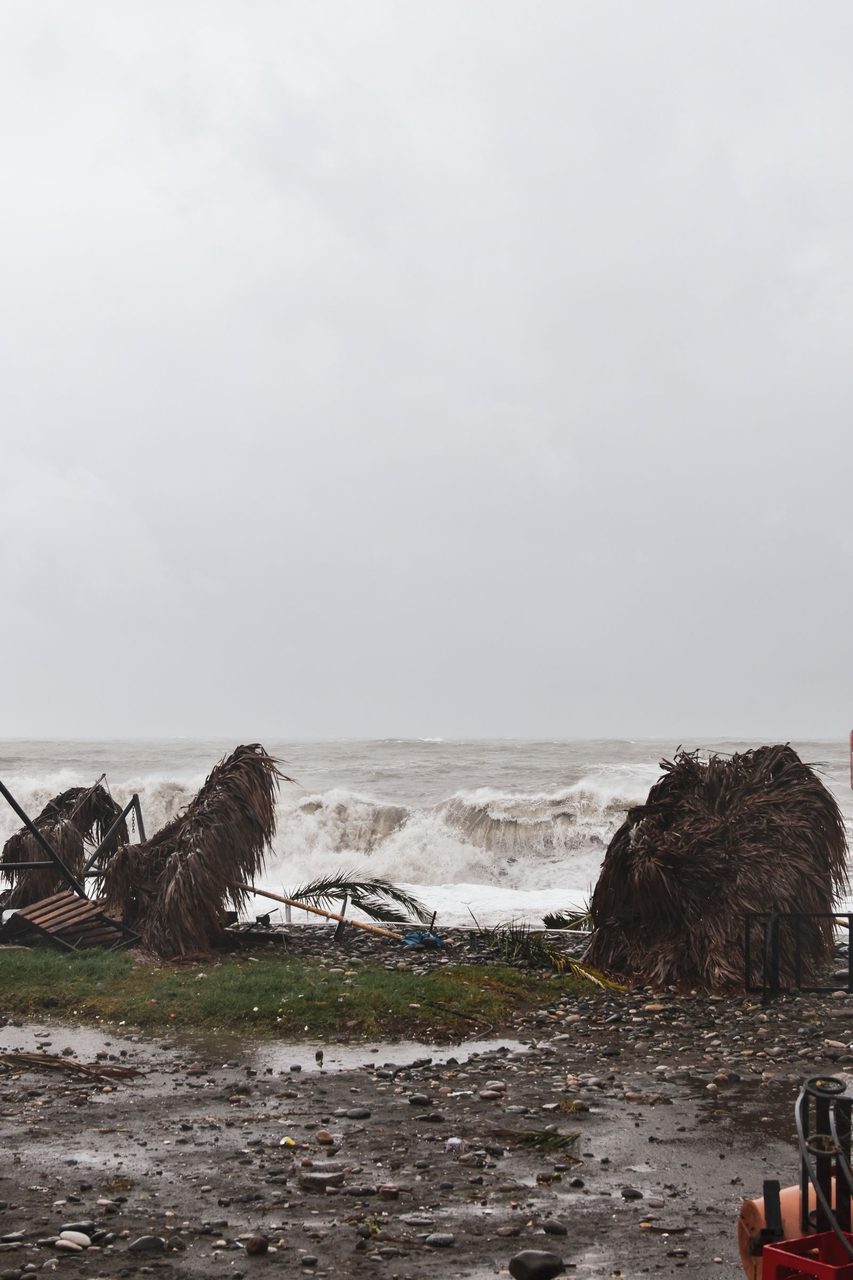
Coastal damage after a hurricane - the aftermath that preparation aims to prevent.
The insurance angle is where the forecast meets money. Insurers use seasonal outlooks to price reinsurance and set premiums, and coastal property insurance has become more expensive and in some places harder to get. The cost of protection is now a real driver of where people choose to live, and state-run insurers of last resort are growing in the highest-risk markets - a sign that the risk is being repriced faster than adaptation is proceeding.
For residents preparing, the practical details are often about quantities - weeks of supplies, litres of water, kilometres to the nearest shelter. A is a small but genuine helper when checking, say, how much water storage equals a recommended supply for a household. The preparation checklist is about the boring details, and the boring details are what save lives when the storm arrives.
The forecast skill is in the tracks, not the counts.
Seasonal counts are entertainment; track forecasts are life safety. The pre-season outlooks - number of storms, number of major hurricanes - generate the headlines, but their skill is modest, and a quiet predicted season means nothing to the one storm that finds your coast. The forecasts that save lives are the five-day track forecasts issued when a storm exists, and those have improved dramatically - today's five-day track error is smaller than the two-day error of two decades ago, which is why evacuation windows have widened. The practical reading of any seasonal outlook: it tells you the probability landscape, not your risk. One landfalling storm makes an "average" season the worst of your life.
Preparation has a measurable shelf life. The gap between forecast and impact is where outcomes are decided, and it is filled by unglamorous logistics: water, power for days, documents, a plan for the household that accounts for who is actually home. The post-storm studies repeat the finding - households that prepared ahead report materially better outcomes, and the preparations that matter most are the boring ones: charging, filling, backing up, agreeing on a meeting point. Utilities and cities have their versions of the same work - hardening lines, pre-staging crews, testing the alert chains - and the systems that worked in recent seasons were built in the quiet months, not the loud ones.
Frequently Asked Questions
Why are hurricane seasons getting more active?
Warm ocean water is the fuel for hurricanes, and the tropical Atlantic has been record-warm. Warmer seas give storms more energy, and studies show the proportion of major, rapidly intensifying hurricanes is rising even if the total count varies year to year.
What is the biggest hurricane hazard?
Water. Storm surge is the leading cause of hurricane deaths, and rainfall flooding is now the second major killer, hitting inland areas far from the coast. Wind matters, but water is what kills - which is why evacuation zones and flood awareness are central to preparation.
How accurate are hurricane forecasts?
Track forecasts - where a storm goes - are excellent and improving, with five-day errors now comparable to old two-day errors. Intensity forecasts - how strong it gets - remain much harder and can shift meaningfully within a day. Seasonal counts are the least reliable and should inform planning priority, not personal risk. Use official advisories during a storm; they carry the skill.