Urban Heatwaves in 2026: Why Cities Are Hotter and Deadlier
By Luminesca · Updated 2026-09-08 Analysis compiled from public reporting with AI-assisted drafting. See our editorial policy.
📅 Aug 3, 2026🏷️ Heat / Cities🌡️ Heat is the silent killer - and cities amplify it
🌡️
Extreme heat is the deadliest weather hazard in most of the world, and 2026 has already produced punishing heatwaves across several continents. The danger is worst in cities, where the urban heat island effect pushes temperatures several degrees above the surrounding countryside - and the urban poor feel it most.
The urban heat island effect is simple physics with brutal consequences. Concrete, asphalt and dark rooftops absorb sunlight during the day and release it slowly at night, so cities stay hotter than rural areas - often by several degrees, sometimes more. That extra heat is not cosmetic; it pushes daytime temperatures toward dangerous thresholds and denies people the nighttime relief that lets bodies recover.
The 2026 heatwave season has followed the pattern of recent years: earlier, longer and more intense events, with record temperatures in several regions. The health impact is measurable and tragic - heat deaths are notoriously undercounted, but studies in major cities consistently find excess mortality during heatwaves, concentrated among the elderly, the isolated and those without air conditioning.
The inequality of heat is one of its ugliest features. Tree canopy and green space are distributed unevenly, and they are scarce exactly where housing is densest and incomes lowest. Low-income neighbourhoods are measurably hotter than affluent ones, and their residents are least able to afford cooling. Heat is not just a weather event; it is a social equity issue with a temperature.
The adaptation toolkit is growing. Cities are planting trees and building green roofs, which cool by shade and evaporation. Cool pavement and reflective roofing coatings cut surface temperatures significantly. Cities are also opening cooling centres, extending pool hours and adapting building codes to require passive cooling and better insulation - the quiet, unglamorous work that saves lives.
The policy debate centres on protection standards. Labour unions and health officials are pushing for maximum-temperature work rules and paid heat leave, while employers resist. There is growing momentum for naming and ranking heatwaves like storms - giving them names and alert levels, so the public treats them with the same seriousness as hurricanes.
The long-term answer is the same as for every climate risk: cut emissions while adapting. But adaptation is local, and it is happening now: every tree planted, every cool roof installed, every neighbourhood cooling centre opened is a small victory in a war that will last decades. The cities that take heat seriously today will be the ones where heatwaves are an inconvenience tomorrow, not a disaster.
Visual Highlights
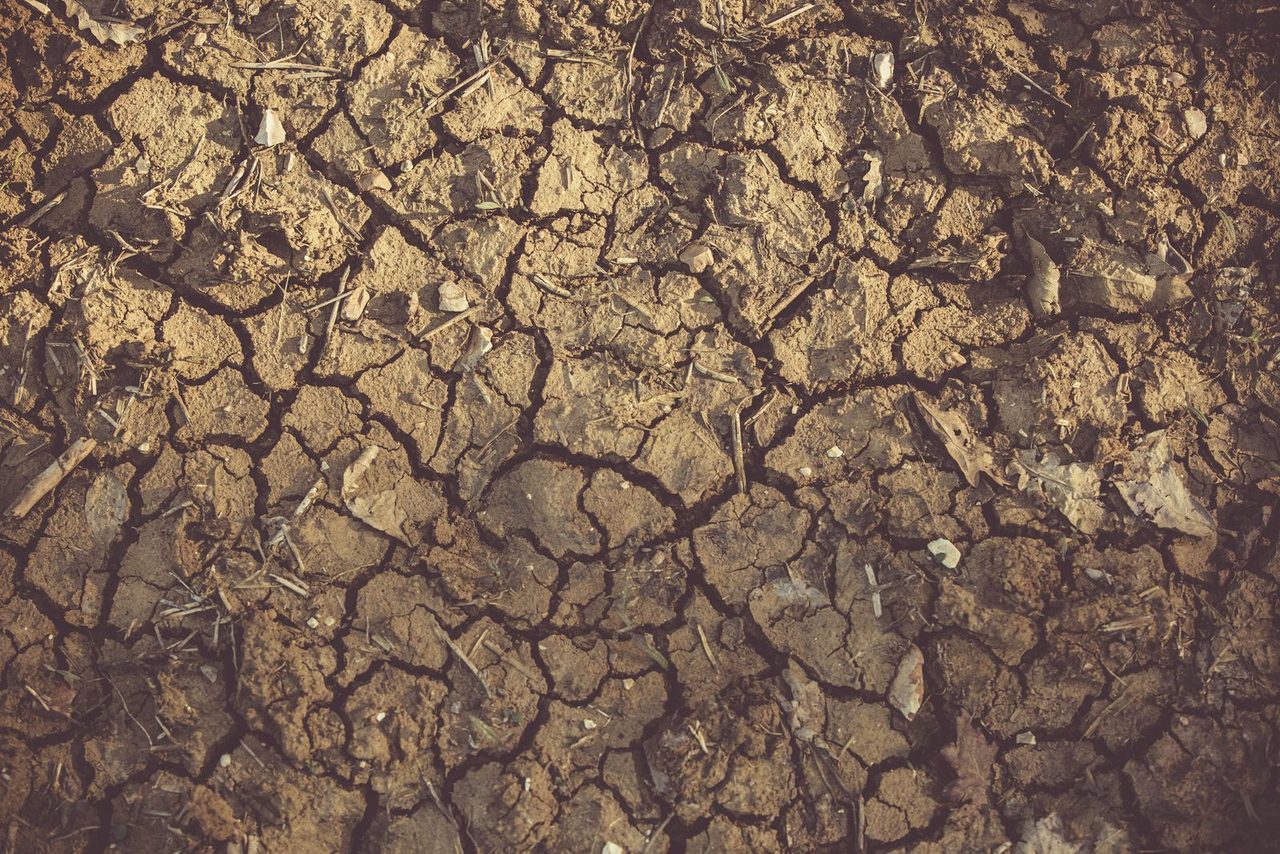
Cracked, dry earth under a harsh sun - the signature of the heat that is becoming the new normal.
The cooling-demand spiral is an under-appreciated feedback loop. As cities get hotter, air conditioning demand surges, which increases electricity use, which in hot regions often means more fossil generation, which adds greenhouse gases, which makes future heatwaves worse. Cities that break this loop - through efficiency standards, district cooling, shading and green infrastructure - cut both heat exposure and emissions at the same time, which is why the adaptation agenda and the mitigation agenda are the same agenda.
For households adapting, the practical measurements are about temperature and energy. A is a small but real helper for comparing temperatures reported in Celsius and Fahrenheit, or checking what an energy rating actually means in practice. The heatwave season is a test of preparation at every scale - from the city’s tree canopy to the thermostat in each apartment.
Cooling is becoming infrastructure, not amenity.
The response is shifting from alerts to built environment. The first-generation heat response - warning systems, cooling centres, check-on-the-elderly programmes - saves lives and continues, but cities are moving to the second generation: physical changes that lower the temperature itself. The measured interventions are consistent across climates: tree canopy over streets cuts peak surface temperatures dramatically and ambient temperatures meaningfully; cool roofs and reflective pavements shave degrees; water features and shaded corridors make walking viable on days it currently is not. Each is modest; the compounding is the point - a street that is shaded, light-coloured and planted can be several degrees cooler than its twin, which is the difference between dangerous and survivable for the people who live there.
Equity determines whether heat policy works. The mortality maps repeat across continents: the deadliest heat concentrates in the poorest neighbourhoods - less canopy, less insulation, less air conditioning, more outdoor work. Heat governance that ignores this becomes decoration; the programmes that move mortality numbers target the vulnerable districts first - canopy in the hottest wards, subsidies for cooling in low-income housing, adjusted outdoor-work rules in the hottest hours. The quiet political advantage of heat adaptation is that its benefits are tangible and local - a shaded street is visible proof - which makes it one of the few climate adaptations that builds its own constituency as it proceeds.
Frequently Asked Questions
Why are cities hotter than surrounding areas?
Concrete, asphalt and dark roofs absorb solar heat during the day and release it slowly at night - the urban heat island effect. Cities are often several degrees hotter than nearby rural areas, and the difference is largest at night, when relief matters most.
Who is most at risk during heatwaves?
The elderly, young children, people with chronic health conditions, outdoor workers and those without access to cooling. Low-income neighbourhoods are often hotter due to less green space and denser construction, making heat exposure an equity issue.
Why are cities hotter than surrounding areas?
The urban heat island: buildings and pavement absorb solar energy all day and release it slowly, while the geometry traps heat and waste heat from traffic and cooling adds more. Dense districts without vegetation run several degrees hotter than leafy suburbs, and the gap widens at night - which matters because nighttime relief is what protects health during multi-day heatwaves.