Earthquake Early Warning in 2026: The Seconds That Save Lives
By Luminesca · Updated 2026-09-08 Analysis compiled from public reporting with AI-assisted drafting. See our editorial policy.
📅 Aug 3, 2026🏷️ Earthquakes / Warning🌊 Seconds of warning are better than none
🌊
Earthquake early-warning systems - which detect quakes at their origin and alert people before the shaking arrives - are expanding rapidly in 2026. Japan has run one for years; now the US West Coast, Mexico and parts of Asia are building out systems that buy residents precious seconds to drop, cover and hold on.
The physics is surprisingly simple. Earthquakes generate two kinds of waves: fast P-waves that arrive first but do little damage, and slower S-waves that arrive later and shake hard. Sensors near the epicentre detect the P-wave, estimate the coming shaking, and broadcast an alert ahead of the S-wave. The warning time ranges from seconds to a minute, depending on distance from the epicentre.
Seconds are enough to save lives. A few seconds lets people drop under a table, trains can slow or stop, surgeons can halt delicate operations, elevators can stop at the nearest floor, and factories can shut down hazardous processes. Studies of the Japanese system consistently show that every second of warning meaningfully reduces injuries - and that the public’s practiced response is what turns the alert into safety.
The systems work on networks. A single sensor cannot distinguish a distant earthquake from a nearby truck; it takes a network of sensors, feeding a central processor, to locate the quake and size it up fast. The challenge is speed: the whole detection-to-alert cycle must complete in seconds, which requires dense sensor coverage and reliable, low-latency communication to phones and devices.
The alerts reach people through multiple channels: smartphone apps, text messages, broadcast interruptions and dedicated receivers in schools, hospitals and rail systems. The systems are tuned to avoid false alarms - crying wolf destroys trust - so they err toward silence when uncertain. Getting the balance right between sensitivity and specificity is the engineering heart of the problem.
The adoption gap is the frontier. Japan, Mexico and the US West Coast have operational systems; many other quake-prone regions - from the Middle East to Southeast Asia to South America - are in various stages of building them. The cost is real but small next to the cost of a quake striking unprepared, and international agencies are pushing for global coverage as a standard public-safety investment.
The final ingredient is public practice. A warning is useless if people do not know what to do: drop, cover and hold on; move away from windows; stop in a safe place if driving. Japan drills its population relentlessly, and that culture of preparedness is why its warning system works. The technology is spreading faster than the habits - and the habit-building is the part every community must do for itself.
Visual Highlights
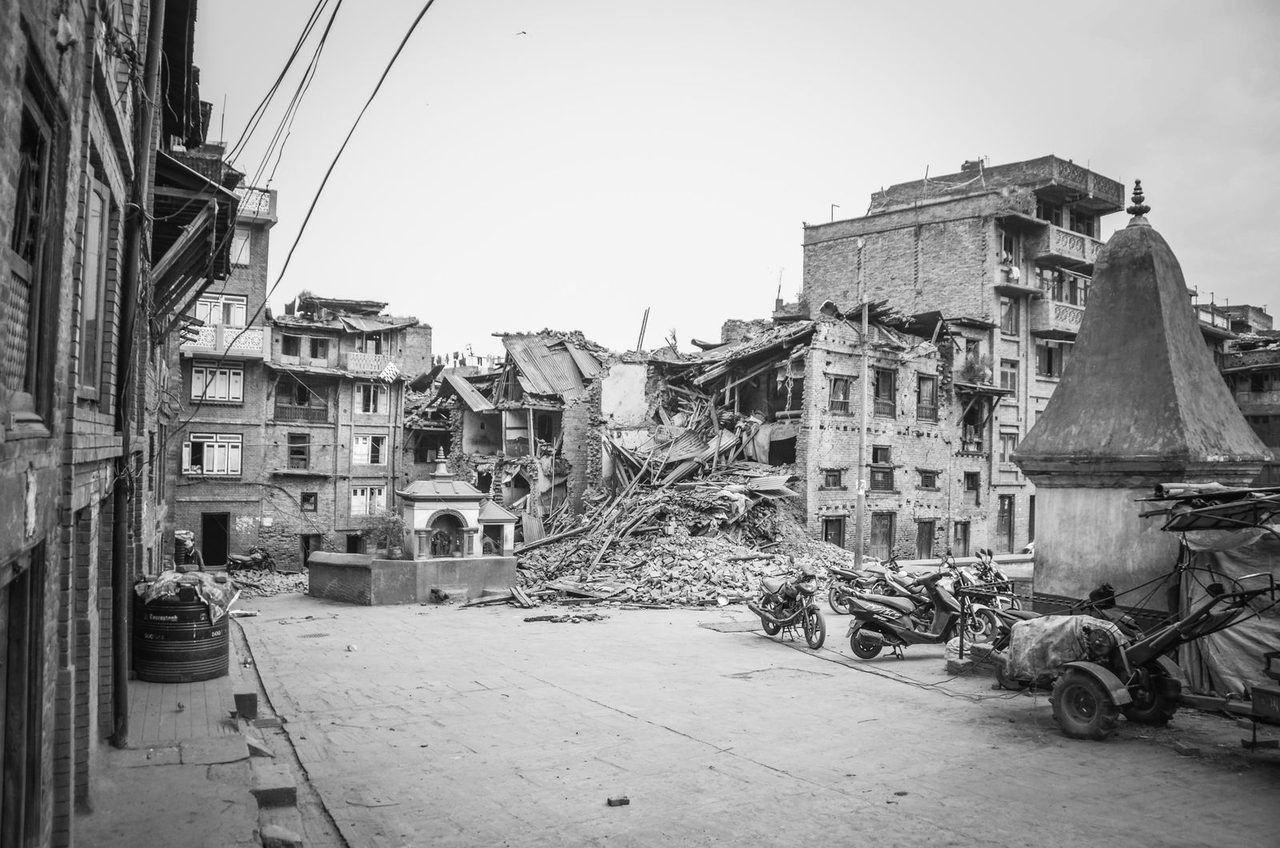
Damage after an earthquake - the early-warning systems being built aim to reduce scenes like this.
The drills and exercises matter because warning systems depend on practiced response. The strongest systems run regular public drills - schools, offices and households practice dropping, covering and holding on - so that when the alert sounds, the response is automatic. Studies of behaviour in real earthquakes find that people who have practiced react in seconds, while those who have not often freeze or run, which are the two most dangerous responses.
For schools and organisations designing their own drill programmes, the practical details include realistic timing. A is one way to introduce unpredictability into drill schedules - a genuine skill, since real earthquakes do not announce themselves. The science of early warning is impressive, but the culture of practice is what converts seconds of warning into lives saved.
The last mile is the hard mile.
Detection is solved; delivery is not. The sensor networks work - seismic stations detect, algorithms locate and estimate, and the physics grants its seconds-to-minutes head start. What varies across systems is whether the alert reaches a human in time, in a form they act on. The delivery stack is unglamorous and decisive: cell broadcast that reaches every phone without an app, integration with broadcast media, and - most effective of all - automated response that requires no human at all: trains slowing, elevators opening at floors, surgical robots pausing, machinery clamping. Japan's system compounds its advantage precisely here: decades of institutionalising automated reactions mean the seconds bought are seconds spent, not merely announced.
Alerts teach; regions learn slowly. A warning system changes outcomes only if people know what the alert means and what to do - and the first real alerts in any region double as public education, imperfectly. The programmes that work rehearse: drills in schools and workplaces, consistent messaging about drop-cover-hold, and honest communication about what the system can and cannot do - it buys seconds for the shaking that follows, and it cannot warn the epicentre itself. Public trust follows the same curve as any alarm system: built by accurate alerts, damaged by false ones, and spent in the seconds of the real event.
Frequently Asked Questions
How much warning does an earthquake early-warning system give?
It depends on distance from the epicentre: people near the source may get only seconds, while those further away can get a minute or more. The warning arrives before the strong shaking, which is enough to take cover, stop trains and halt hazardous operations.
Why don’t all earthquake-prone regions have warning systems?
Building a system requires dense sensor networks, low-latency alert delivery and sustained investment - all of which take time and money. Japan, Mexico and the US West Coast have operational systems, and many other regions are building them out now.
How much warning does an earthquake alert actually give?
It depends on distance from the epicentre: users directly above get seconds or nothing, while users tens of kilometres away get tens of seconds - the physics of seismic waves gives the slower, destructive waves a lag behind the faster detection signals. The value concentrates in what those seconds fund: automated braking, shelter actions and dropped-causeway avoidance. No system warns the epicentre itself.