
Analysis
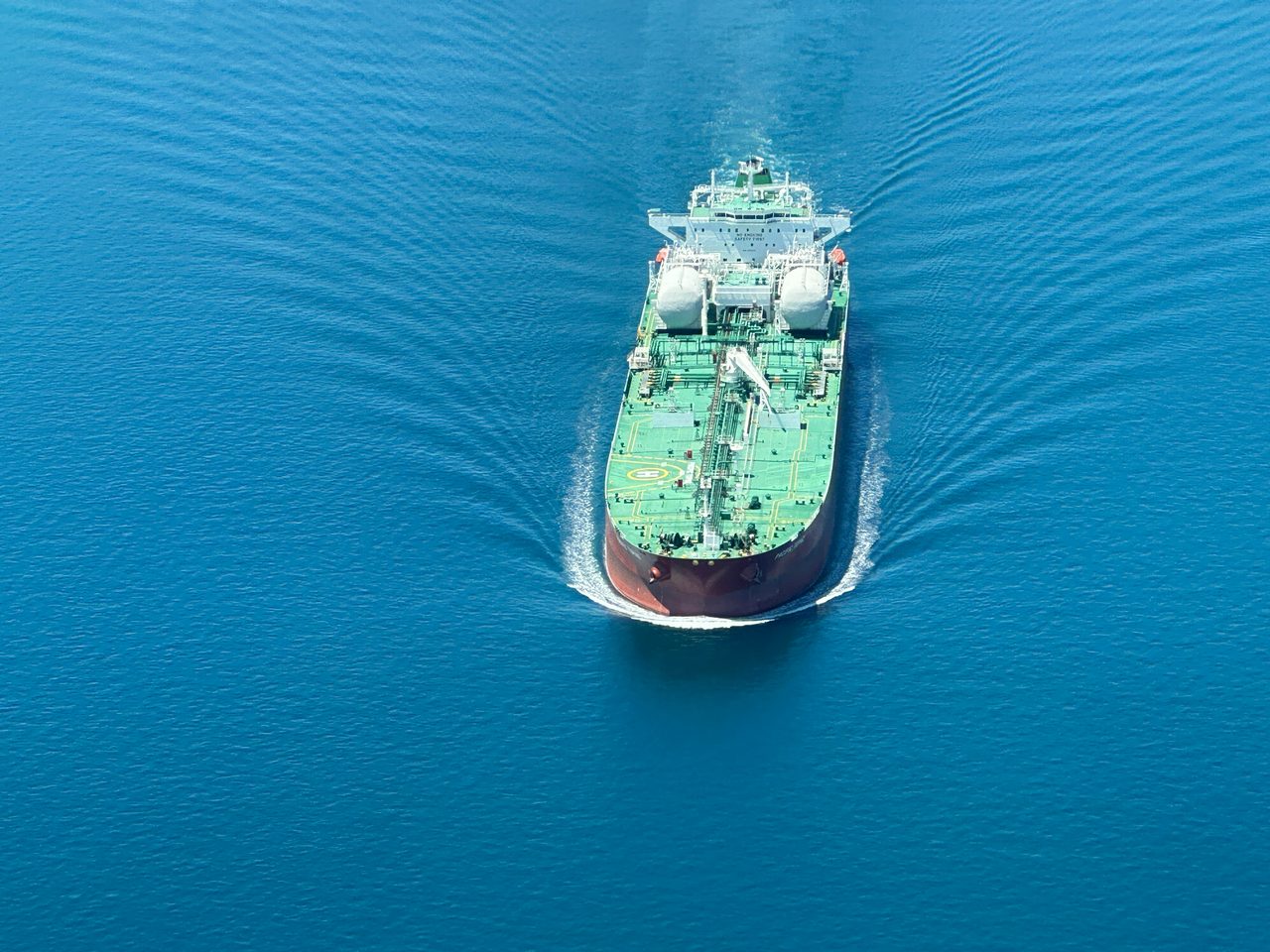
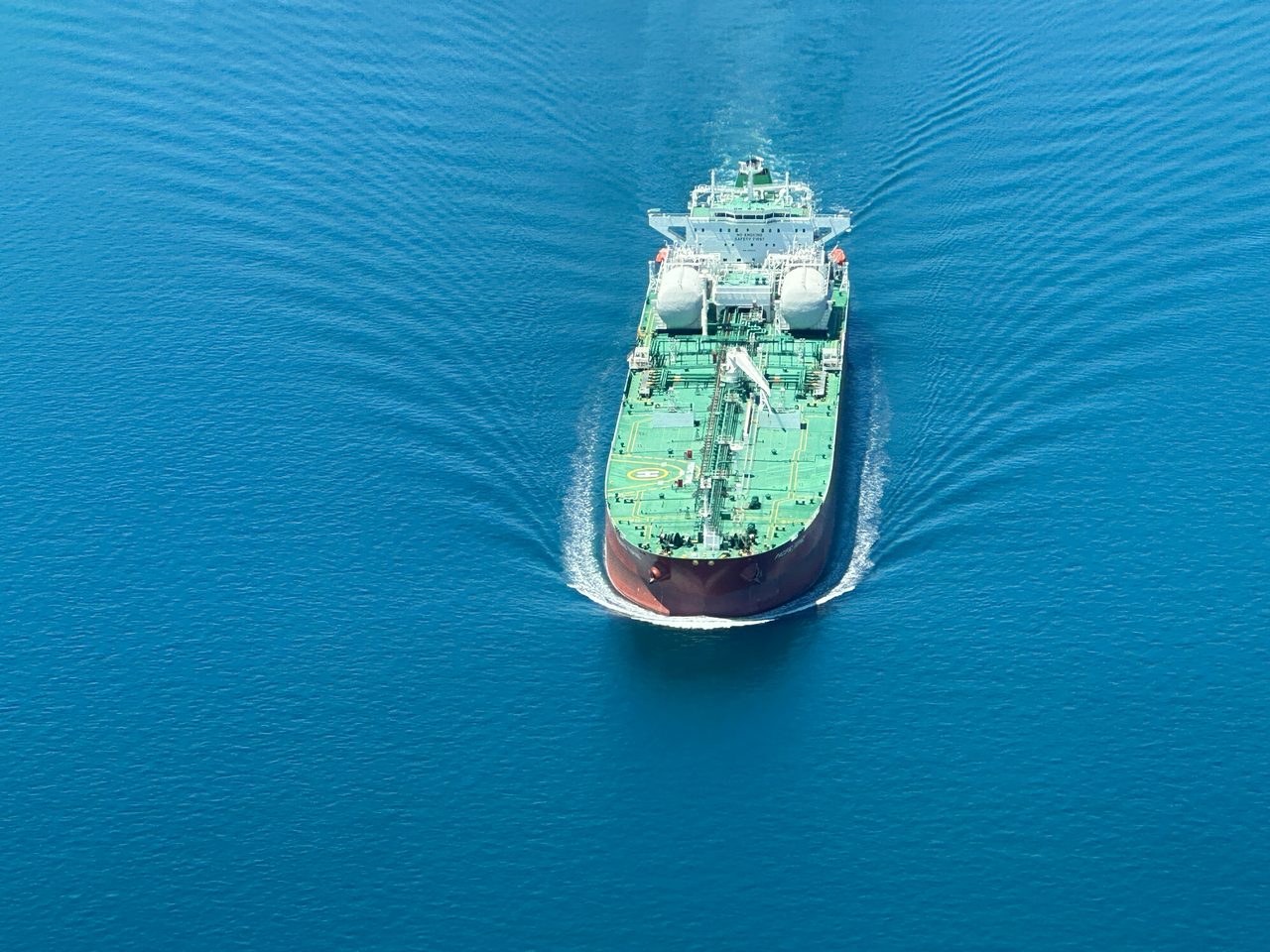
The Red Sea is one of the world's most critical trade arteries. About 12% of global trade and roughly a fifth of the world's oil shipments move through it. Any sustained disruption sends shockwaves through energy markets and the global supply chain — exactly what has happened over the past year.
Saudi Arabia's move to lead a multinational coalition is partly a response to gaps in the previous Western-led arrangements. The Houthis have shown that small, fast boats and drones can hit big ships, and the new alliance is designed to combine persistent naval presence with air cover and intelligence-sharing.
The risk is escalation. The Houthi leadership has warned that any foreign-led naval operation could be considered a hostile act, and Iran's regional posture makes the broader security environment fragile. The coalition will be judged by whether it can keep the route open without drawing the wider region into a wider war.