
Analysis
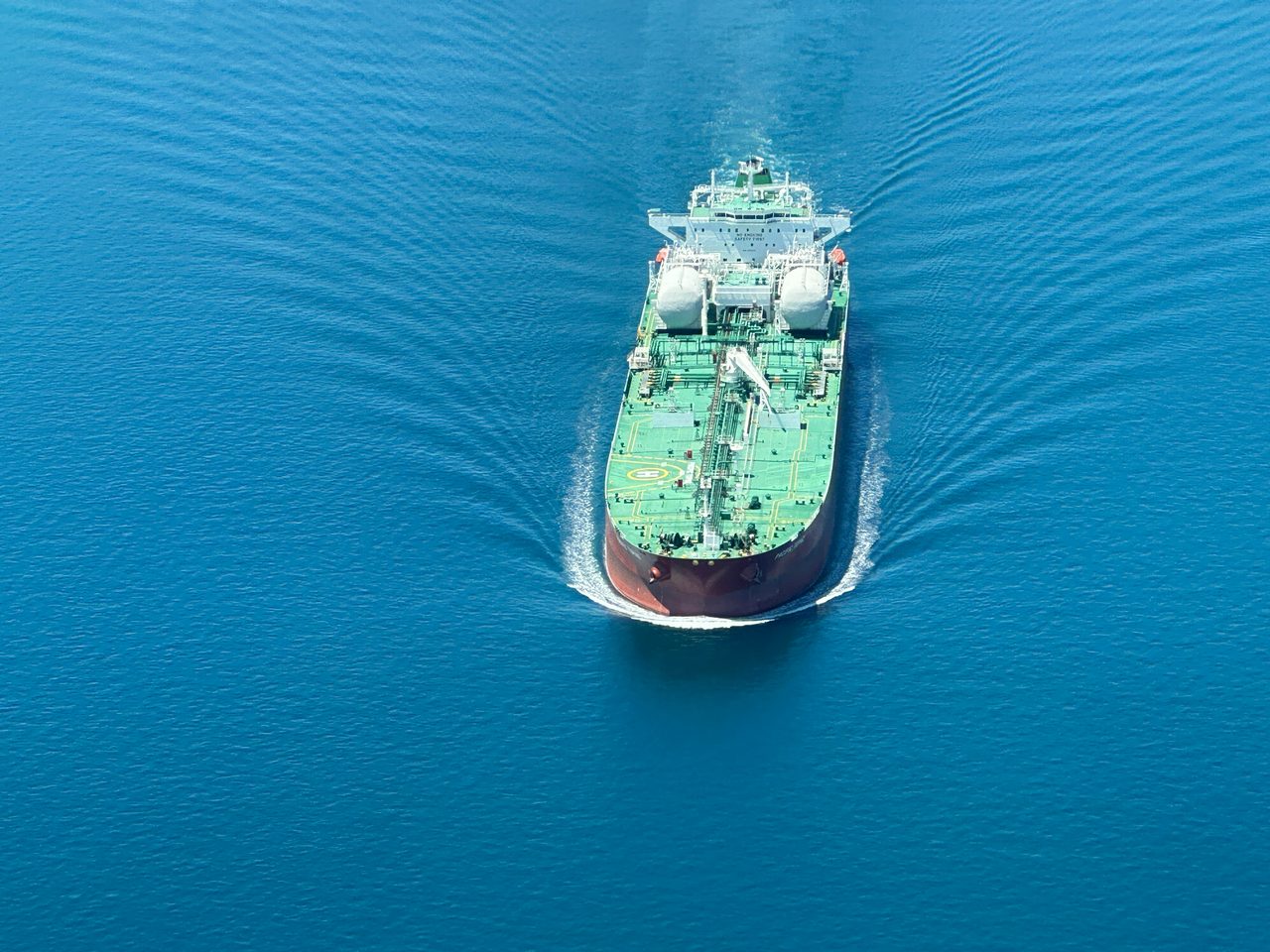
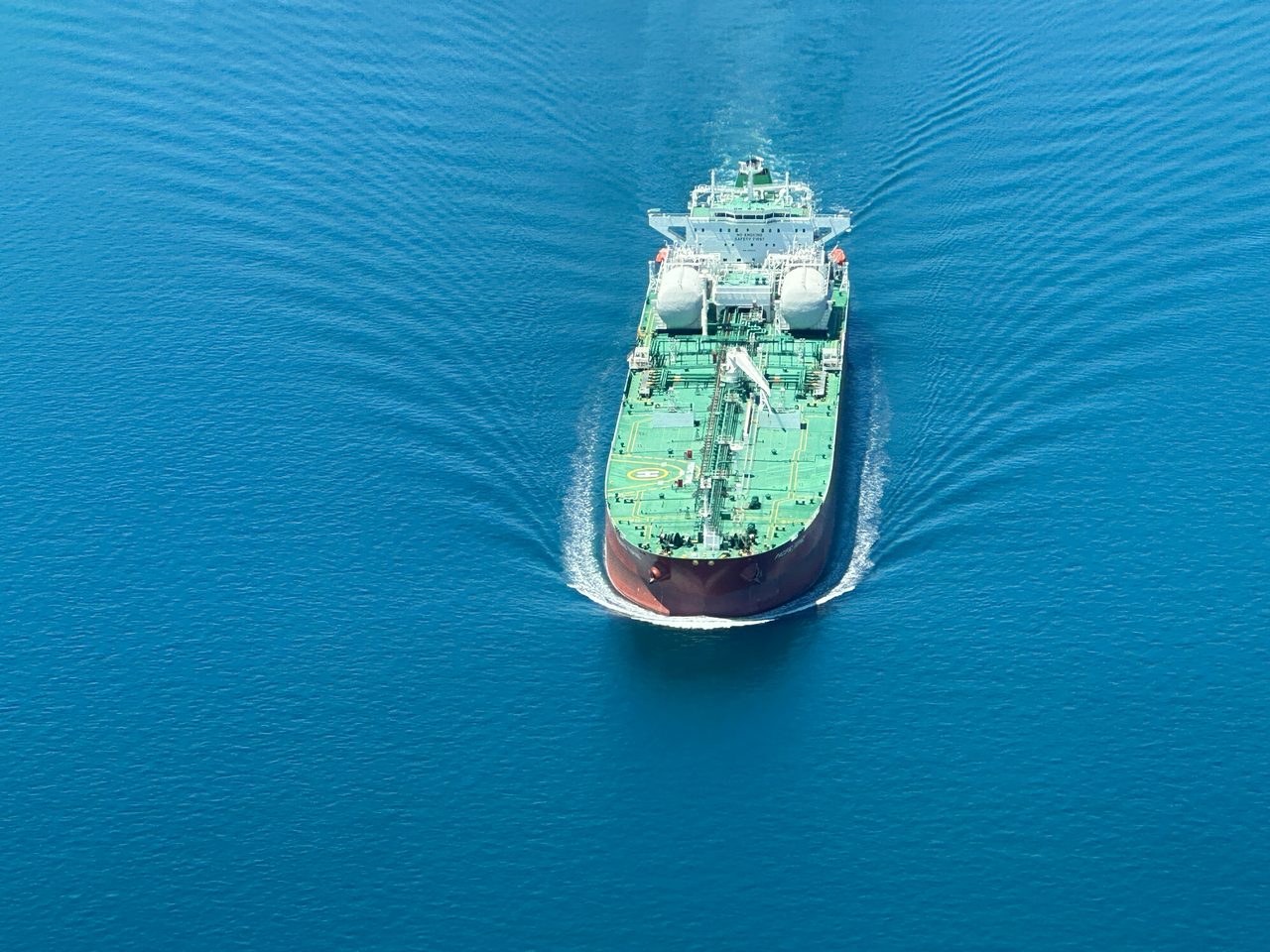
The numbers tell the story. From 22 ships a day to five is not a slowdown; it is a shutdown. The US Navy says it has rerouted dozens of vessels, disabled two, and is boarding others to enforce its blockade. Iran for its part says the strait can no longer operate normally and blames the US military for the collapse.
For energy markets, the implications are immediate. Brent crude is climbing toward $90 a barrel, and JPMorgan has warned that a prolonged closure could push oil past $120. The last time the strait was effectively closed, in the 1980s, tanker insurance rates spiked and the global economy paid the price.
The geopolitical endgame is unclear. Iran has threatened to attack shipping, US forces are enforcing a blockade, and Saudi Arabia is rerouting exports through alternative pipelines. Every party is trying to avoid a full closure while simultaneously making one more likely. The next few weeks will determine whether the strait stays open - and at what cost.