Offshore Wind in 2026: The Farms Getting Bigger, Cheaper and Further Out to Sea
By Luminesca · Updated 2026-09-08 Analysis compiled from public reporting with AI-assisted drafting. See our editorial policy.
📅 Aug 3, 2026🏷️ Wind / Power⚡ The race to build wind farms at sea is accelerating
⚡
Offshore wind has become the fastest-growing source of clean power in 2026, with new capacity additions outpacing every other renewable technology. Floating platforms are opening up deeper waters, turbine sizes keep climbing, and the cost of offshore power has fallen below expectations from just a few years ago.
The scale numbers are hard to ignore. Global offshore wind capacity has passed the 100-gigawatt mark, and annual installations in 2026 are expected to set another record. Europe remains the biggest market, but Asia is closing fast: China installs more offshore capacity in a single year than any other country, and Japan, South Korea and Taiwan are all building their first large-scale projects.
The big technical story is floating wind. Fixed-bottom turbines are limited to water depths of about 60 metres; beyond that, the cost of foundations explodes. Floating platforms - turbines mounted on buoys moored to the seabed - unlock deep-water sites where the wind is stronger and more consistent. The first commercial floating farms are now operating, and costs are falling along the familiar wind-power learning curve.
Turbines themselves keep getting larger. The latest machines stand taller than 250 metres and sweep an area larger than several football pitches. A single modern offshore turbine can power tens of thousands of homes. Bigger turbines mean fewer foundations, fewer cables and lower cost per megawatt - which is why manufacturers keep pushing the size limits despite the logistics challenge of building and installing them at sea.
The economics have turned a corner. The price of offshore wind power has fallen by more than half over the past decade, and in several auctions it now undercuts new gas and coal plants. But the industry is not without pain: supply chains are stretched, installation vessels are scarce, and several projects have been delayed by cost inflation and planning disputes. The result is a market that is growing fast but negotiating its own bottlenecks.
Energy security is the new driver. Countries that once saw offshore wind purely as a climate tool now treat it as a strategic asset - a home-grown source of power that cannot be embargoed or disrupted by events elsewhere. Grids are being upgraded to carry the variable output, and governments are planning offshore grid connections that link multiple farms and even multiple countries.
What to watch next: the floating wind cost curve, the first projects in the deep waters off the US West Coast and Japan, and whether the industry can resolve its supply-chain and permitting bottlenecks. The direction is clear - offshore wind is moving from a niche technology to a backbone of the world electricity system, one turbine at a time.
Visual Highlights
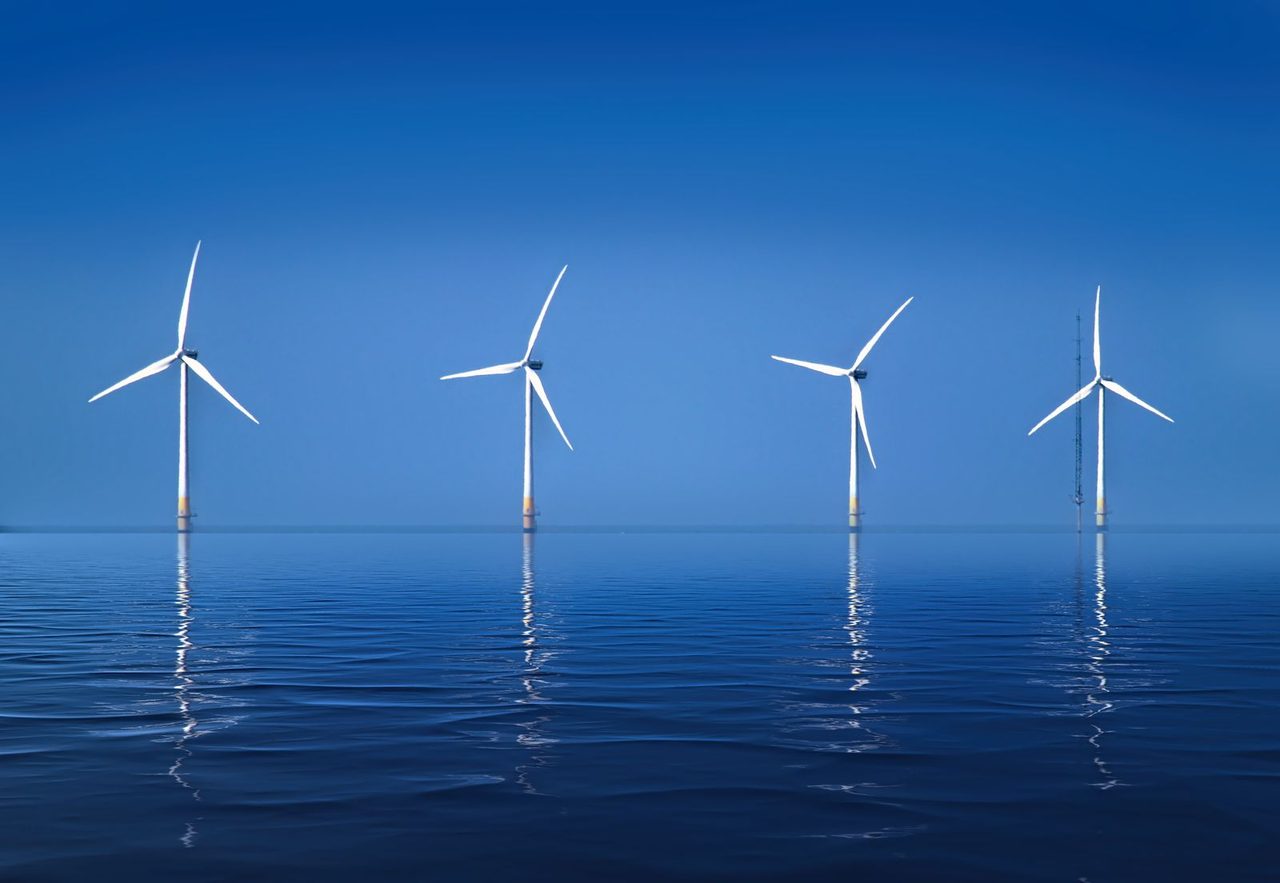
Offshore wind turbines standing in the sea - the visible face of the clean-energy build-out.
The supply chain is the constraint that defines the decade. Building an offshore wind farm requires specialist vessels, ports with heavy-lift capacity, and a manufacturing base for turbines, foundations and cables - none of which can be scaled overnight. The industry is investing heavily in all three, and the countries with the port and shipbuilding infrastructure are positioning themselves to capture the manufacturing value, not just install the turbines.
For anyone following the technical specs, the numbers span many units - megawatts, metres, tonnes, gigawatt-hours. A makes comparing turbine sizes and project capacity across sources straightforward, and the habit of checking units matters more than ever as projects are reported in different systems. The offshore wind story is a numbers story, and the numbers are getting bigger every year.
The supply chain is the bottleneck now.
Demand outran the factories. The constraint on 2026 buildout is not ambition, permits or even capital - it is physical: installation vessels booked years ahead, turbine and cable factories sold out, and ports competing to host the marshalling yards that assemble components. Every link of the chain scaled for a smaller industry; the current pipeline exposes each link in turn. The visible response is investment - new vessel classes, expanded factories, port upgrades - but each takes years, which means the queue, not the auction, sets the pace of the transition for the next several years. Auction results that look like success on paper meet this queue immediately: awarded capacity waits its turn.
Standardisation is where the costs will come from. Offshore wind's cost story this decade depends less on turbine heroics than on repetition: standardised foundations, serialised installation sequences, and contracts that reward learning across projects rather than renegotiating each one. The markets that have committed to steady annual volumes - giving factories a visible demand line - are the ones where suppliers build capacity and costs trend down; stop-start procurement produces the opposite, with each restart repricing the whole chain. For buyers of offshore power, the relevant question about any project is no longer the wind resource - it is which factory and which vessel, and in which year.
Frequently Asked Questions
Why is offshore wind better than onshore wind?
Offshore turbines sit in stronger, more consistent wind, so they generate more power per megawatt of capacity. They also avoid the land-use and planning conflicts of onshore projects, though they cost more to build and maintain. Floating platforms now extend the reach to deep water.
Is offshore wind actually cheaper than fossil power?
In many markets, yes. The levelised cost of offshore wind has fallen by more than half in a decade and now beats new gas and coal in several auctions. Costs are still higher than onshore wind and solar, but falling fast as turbines grow and supply chains mature.
Why did offshore wind projects get cancelled recently?
The wave of cancellations traced to projects whose economics were fixed before inflation: costs for steel, labour and financing rose sharply after contracts were signed, and the fixed-price power agreements could not absorb the difference. Projects without signed supply chains or price flexibility were the casualties. The industry's response - indexation, higher auction prices, government support in key markets - has stabilized bidding, but the repricing was real.