Grid Batteries in 2026: The Storage Boom Powering the Clean Transition
By Luminesca · Updated 2026-09-08 Analysis compiled from public reporting with AI-assisted drafting. See our editorial policy.
📅 Aug 3, 2026🏷️ Batteries / Grid🔋 The storage boom is changing how the grid works
🔋
Battery storage is the fastest-ramping technology in the energy transition. In 2026, grid-scale batteries are being installed at record pace, and storage is quietly solving the biggest weakness of wind and solar: what happens when the wind stops and the sun sets.
The numbers are dramatic. Grid battery installations in 2026 are on track to nearly double from the previous year, with the United States, China, Europe and Australia leading. The economics flipped recently: battery prices fell sharply, and storage is now profitable in markets with high solar penetration, where midday power is cheap and evening power is expensive. Charge cheap, discharge expensive - the arbitrage pays for the hardware.
What storage does for the grid is simple to describe and hard to overstate. Batteries absorb surplus power when generation exceeds demand - usually sunny middays - and release it in the evening peak. They also provide the fast response that keeps grid frequency stable, replacing the inertia that coal and gas plants used to supply. In several markets, batteries are now the cheapest source of peaking capacity, displacing gas peaker plants.
The projects are getting enormous. Single installations now store hundreds of megawatt-hours, and developers are stacking battery plants like data centres. Storage is being paired with solar farms to create round-the-clock renewable supply, and some projects combine batteries with wind and pumped hydro to offer firm, dispatchable clean power.
The technology mix is widening. Lithium-ion dominates, but its cousins - sodium-ion and iron-air batteries - are entering the market with cheaper chemistries for longer-duration storage. The industry is also building multi-hour systems, because the value of storage increases with duration: four hours of storage covers the evening peak; ten or more hours starts to cover nights and cloudy spells.
The limits are real. Storage is energy-capacity-constrained, not power-constrained: a battery can discharge for hours, not days or seasons. Seasonal storage - shifting summer sun to winter wind droughts - needs other tools, like hydrogen, hydro reservoirs or, in the future, long-duration technologies. Batteries complement the grid; they do not replace the whole toolkit.
What to watch: battery prices (they set the pace of the boom), the first gigawatt-scale projects, and whether grid connection queues can clear fast enough to absorb all the storage developers want to build. The storage boom is one of the few energy stories where the bottleneck is not demand - it is how fast the industry can physically build.
Visual Highlights
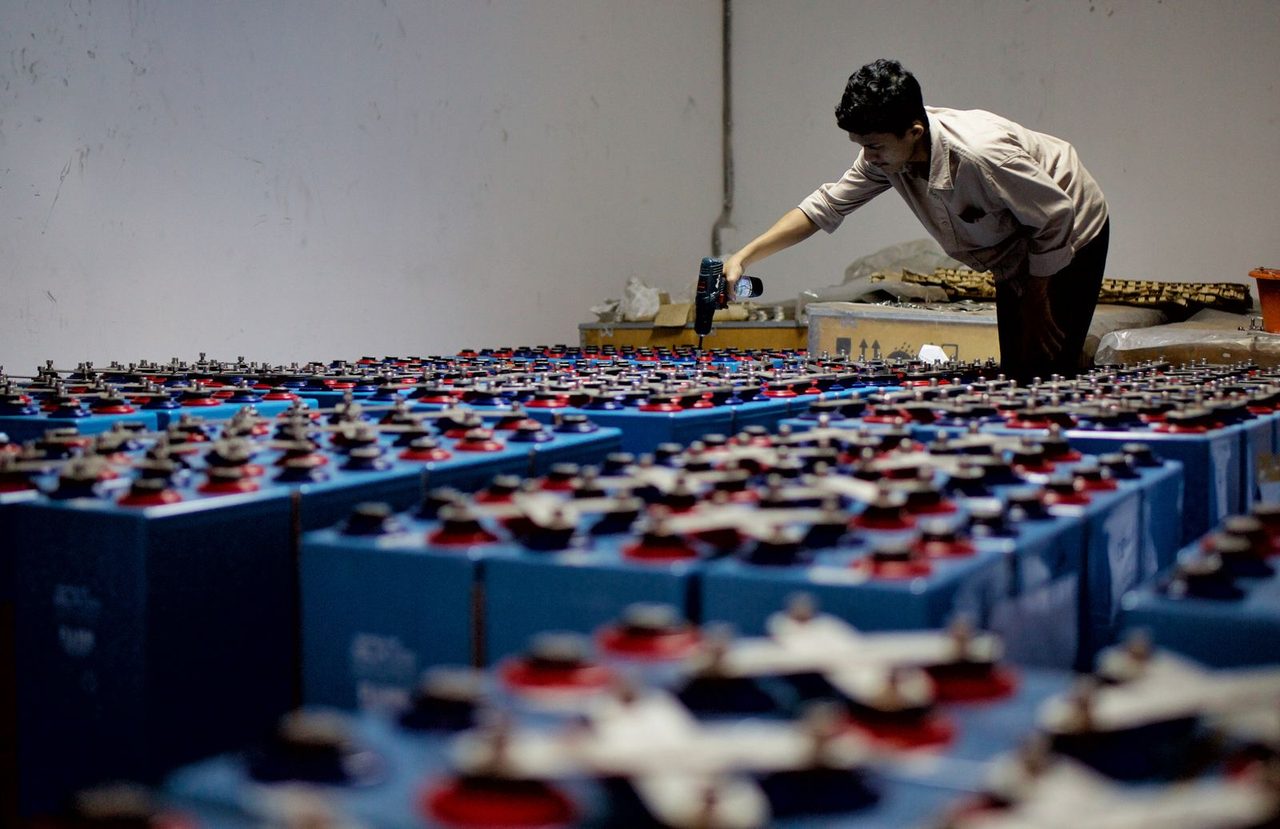
Rows of battery units in a warehouse - grid storage is scaling up as fast as factories can ship it.
The grid-integration challenge is the unsung work. Batteries are fast, which is their superpower, but fast devices need careful control: grid operators must ensure storage charges and discharges at exactly the right moments, or the system can destabilise. The software layer - market bidding, frequency response, forecasting - is where storage projects succeed or fail, and the companies with strong software teams are out-competing those with just hardware.
For anyone trying to follow the storage boom, the unit mix is part of the story - megawatts of power, megawatt-hours of energy, and the ratios that determine what a plant can do. A helps translate between the two, since a 100 MW / 200 MWh system is very different from a 100 MW / 400 MWh system. The storage era rewards people who keep the units straight.
The next chapter is hours, not minutes.
Two-to-four-hour batteries solved the evening peak; the grid needs more. The installed fleet's daily pattern is established - charge on midday solar, discharge through the evening peak - and the margins it protects are increasingly accounted for. The frontier is duration: six, eight, twelve hours of discharge to cover longer lulls, shift solar into late evening, and ride through weather events. Lithium's cost curve gets progressively less friendly at longer durations, which is why the technology search has widened - iron-air chemistry promising multi-day storage, thermal storage in bricks and salts, and pressurised air where geology allows. None needs to beat lithium on price per kilowatt-hour of power; they need to beat it on price per hour of duration, a different metric where incumbency does not apply.
Interconnection is the queue that decides deployment. The bind on storage buildout in several markets is no longer manufacturing or even siting - it is the grid connection process, where projects wait years for interconnection studies and upgrade cost allocations. Storage gets a particular irony: it can relieve the very congestion that delays its connection, but only after it is connected. The markets reforming their queues - cluster studies, ready-first processing, transmission planning that anticipates storage - are the ones where the 2026 pipeline converts to steel on schedule; the rest are discovering that the cheapest battery is useless until the utility says where it may plug in.
Frequently Asked Questions
Why are grid batteries being installed so fast in 2026?
Battery prices have fallen sharply, making storage profitable wherever solar creates midday surpluses. Batteries buy cheap solar power and sell it in the evening peak, and they provide the fast grid-balancing services that were once the job of fossil plants.
Can batteries replace gas peaker plants?
In many markets, yes. Batteries can provide the same short-duration peak capacity faster and cheaper than building new gas plants. Several grids now treat storage as the default peaking option, though very long or seasonal gaps still need other solutions.
How long can grid batteries store energy?
Commercial lithium-ion systems typically discharge for two to four hours at rated power; configurations up to eight hours exist where revenue supports them. Emerging technologies target longer: iron-air systems aiming for multi-day discharge, thermal storage holding heat for days. Duration is a design trade-off against cost - the grid uses a ladder of durations, and each rung is a different technology contest.