Green Hydrogen in 2026: From Hype to First Real Projects
By Luminesca · Updated 2026-09-08 Analysis compiled from public reporting with AI-assisted drafting. See our editorial policy.
📅 Aug 3, 2026🏷️ Hydrogen / Fuel🌍 Hydrogen’s reality check has begun - and it is working
🌍
Green hydrogen - hydrogen produced with renewable electricity - has crossed from pilot to commercial scale in 2026. The first large plants are operating, dozens more are under construction, and governments are paying billions to bridge the gap between its promise and its price.
The idea is simple: split water into hydrogen and oxygen using electricity from wind or solar, producing a fuel that burns clean and stores easily. The reality has always been economics - green hydrogen costs several times more than the fossil-based kind. In 2026, the first plants large enough to matter are finally operating, and the cost gap is narrowing, but slowly.
The first commercial wave is concentrated in the places where hydrogen is already used at scale: refineries, ammonia plants and steel mills. Rather than building a whole new hydrogen economy, these projects replace the dirty hydrogen these industries already consume with clean hydrogen made on site. It is not glamorous, but it is the fastest way to cut real emissions with today’s technology.
The subsidy machine is working. Governments in Europe, the US and Australia have committed tens of billions to hydrogen support - production credits, tax breaks and infrastructure grants. The first auctions have produced striking results: winning projects bid in at prices well below what analysts expected, suggesting the cost curve is moving faster than projected.
The sectors that genuinely need hydrogen are fewer than the hype suggested. Transport was once the headline use case, but battery-electric vehicles won the road, and hydrogen buses and trucks are now a niche. The industries that cannot easily electrify - steel, cement, shipping, aviation fuel - are where hydrogen’s future actually lies, and that is where the serious money is now going.
The infrastructure problem remains. Producing hydrogen is one thing; moving it is another. Hydrogen leaks through seals, embrittles steel and needs either high pressure or cryogenic cold to store compactly. Pipelines, ports and storage caverns are being planned, but the network is a decade behind the plants. Until logistics catch up, much of the new production will be used where it is made.
The verdict for 2026: green hydrogen is real but patient. It is not the universal fuel of the future that early marketing promised - it is a specialist fuel for the hard-to-electrify industries, growing steadily where it makes sense. The plants being built today will be the proof points that decide whether the next wave is bigger - or whether the money moves elsewhere.
Visual Highlights
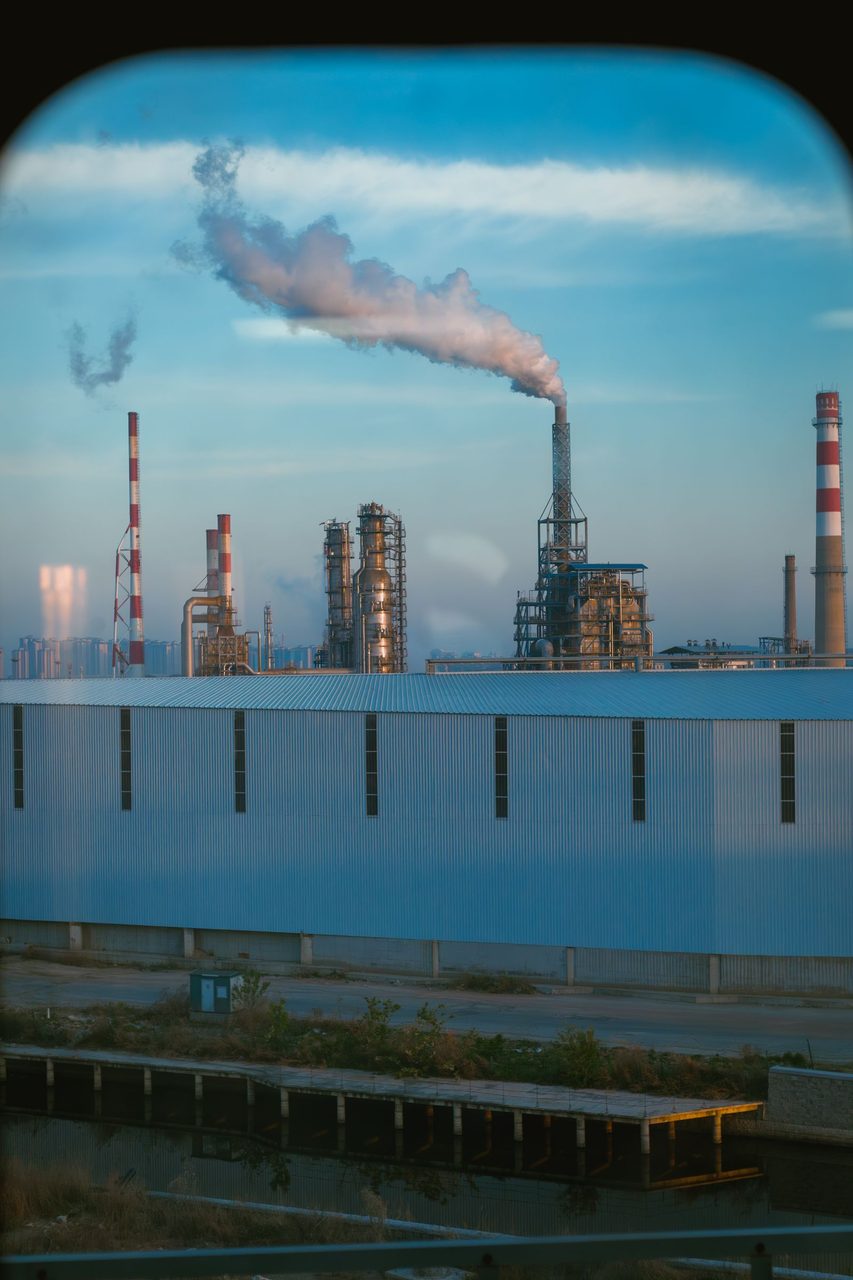
Industrial plant infrastructure - green hydrogen plants are industrial-scale projects with a clean-energy core.
The electrolyser industry is the supply chain to watch. Electrolysers - the machines that split water into hydrogen and oxygen - are the core component of green hydrogen production, and their manufacturing capacity is expanding fast, with prices following the same learning curve that solar panels and batteries travelled. The economics of green hydrogen in 2026 are increasingly a question of electrolyser cost and electricity price, not fundamental chemistry.
For engineers and analysts working across the value chain, the units are a constant companion - kilograms of hydrogen, megawatt-hours of electricity, tonnes of steel decarbonised. A is the kind of small tool that keeps the numbers straight when comparing plant sizes, energy inputs and outputs across different reports. The hydrogen industry runs on unit conversions, and getting them right matters at industrial scale.
The offtake problem defines the next phase.
Plants are ready; buyers at scale are not. The bottleneck has shifted from production to purchase: electrolysers are being installed and operated, but the projects that anchor a real industry need buyers signing ten-to-fifteen-year agreements at prices that cover cost. Those buyers exist in principle - fertiliser producers, refineries, steelmakers with decarbonisation targets - but each faces the same calculus: green hydrogen still costs a multiple of the fossil-derived input it would replace, and a long contract at that premium is a competitiveness risk no board signs lightly. The gap is being bridged from both ends: government premium payments and contracts-for-difference on the seller side, and mandated quotas - a percentage of industrial hydrogen must be green - on the buyer side.
Watch where the first real contracts land; they pick the winners. Not all applications are equally reachable. Ammonia for fertiliser, existing hydrogen uses being greened, and heavy transport corridors with public support are closing contracts now; direct steel reduction and shipping fuel lag for cost and certification reasons. The geography follows the economics: projects co-located with cheap renewables and existing industrial demand - not the exotic export schemes - are the ones converting pipeline into steel in the ground. For anyone tracking the transition, the weekly signal is simple: which offtake agreements were signed, at what premium, and who is standing behind the difference.
Frequently Asked Questions
What is the difference between green and grey hydrogen?
Grey hydrogen is made from natural gas and emits carbon dioxide; green hydrogen is made by electrolysing water with renewable electricity and emits almost nothing. Green hydrogen costs several times more, which is why it needs subsidies and policy support.
Which industries actually need hydrogen?
The hard-to-electrify sectors: steel and cement production, ammonia for fertiliser, and long-distance shipping and aviation fuel. Road transport, by contrast, has largely gone battery-electric, shrinking the transport case for hydrogen.
Why is green hydrogen still so expensive?
Two costs stack: renewable electricity (60-80% of production cost, since electrolysers are power-hungry) and the capital cost of electrolyser fleets still scaling manufacturing. Both trend down - cheap renewables keep getting cheaper, and electrolyser factories are scaling - but the premium over fossil-derived hydrogen remains a multiple at most locations. Closing that gap needs either sustained cheap power or policy covering the difference; the projects moving first have both.